
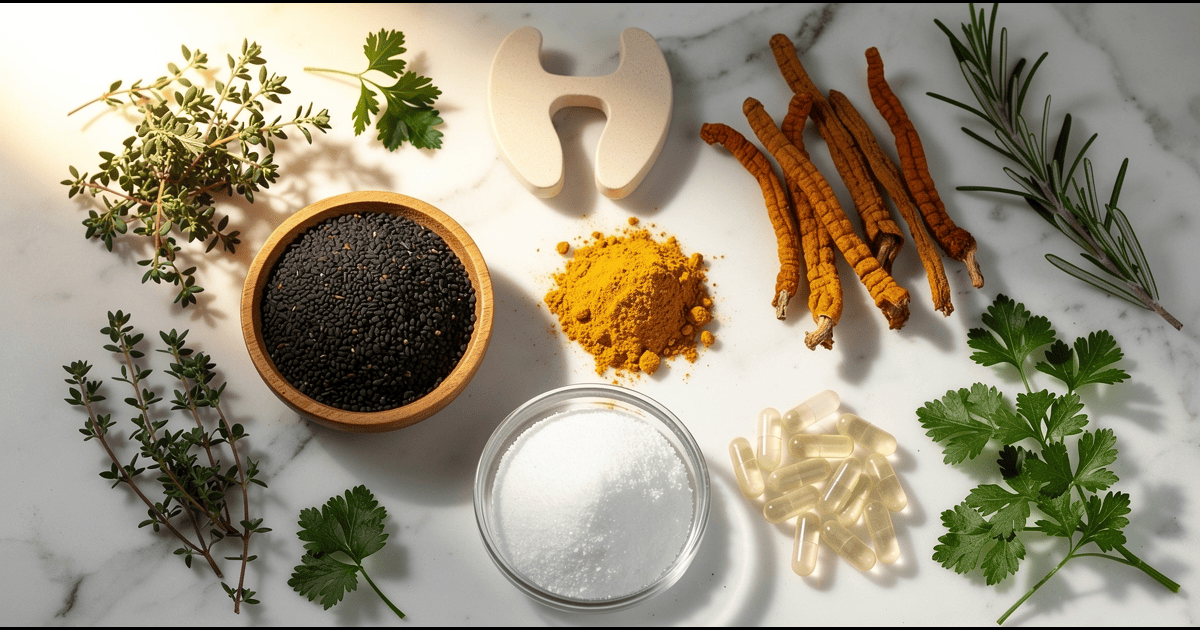
5 Natural Compounds That May Help Support Thyroid Health in Hashimoto’s Disease
Hashimoto’s thyroid disease affects millions of people worldwide, and yet many who live with it feel their search for answers goes unheard. If you have been looking into Hashimoto’s natural support options, you are not alone. In this guide, we take a closer look at five specific natural compounds and what the science actually says about each one.
Disclaimer: This article is for educational purposes only and is not a substitute for professional medical advice. Always consult your healthcare provider before starting any new supplement.
Understanding Hashimoto’s Thyroid Disease
What Happens in Hashimoto’s?
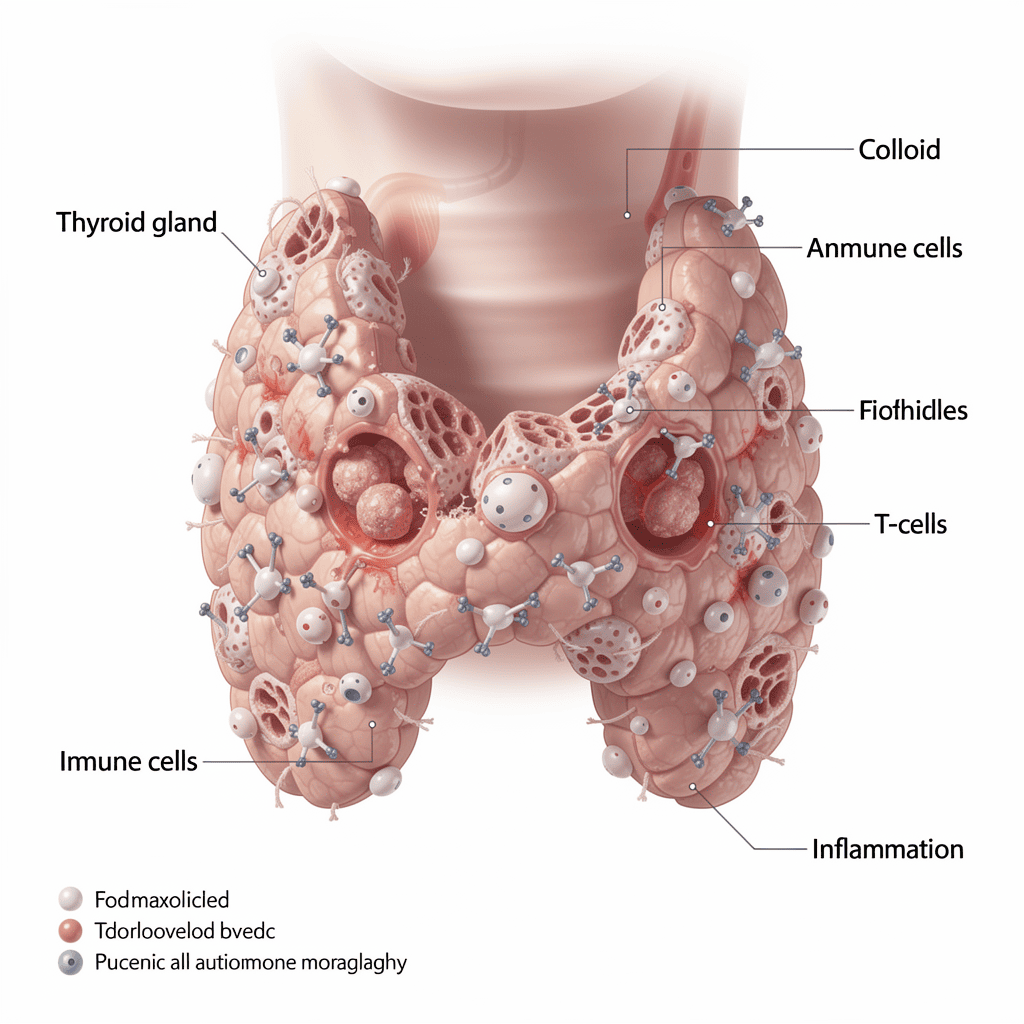
Hashimoto’s thyroid disease is an autoimmune condition where your immune system mistakenly attacks your own thyroid gland. Think of your immune system as a security team for your body. In Hashimoto’s, it gets confused and identifies your thyroid as an intruder.
The thyroid is a small, butterfly-shaped gland at the front of your neck that produces hormones controlling your metabolism and energy levels. When it is under attack, the thyroid struggles to do its job properly.
Hashimoto’s is the most common cause of hypothyroidism (an underactive thyroid) in the United States. It affects women five to ten times more often than men. Common symptoms include fatigue, weight gain, brain fog, sensitivity to cold, and mood changes.
Why People Seek Natural Approaches
Standard treatment for Hashimoto’s usually involves levothyroxine, a medication that replaces the thyroid hormone your body is not making enough of. This medication is effective for many people, but it does not address the underlying immune dysfunction that causes the thyroid to be attacked in the first place.
That gap is why so many people with Hashimoto’s start looking for ways to support their thyroid beyond medication. Some explore dietary changes, others look into natural supplements, and many want to understand what the research says about options that might help.
This is where certain natural compounds enter the conversation. Research also suggests that gut health plays a role in autoimmune conditions, which adds another layer to the Hashimoto’s picture. Let us take a look at five of the most studied options.
Nigella Sativa for Hashimoto’s Natural Support
How Nigella Sativa Supports Thyroid Health
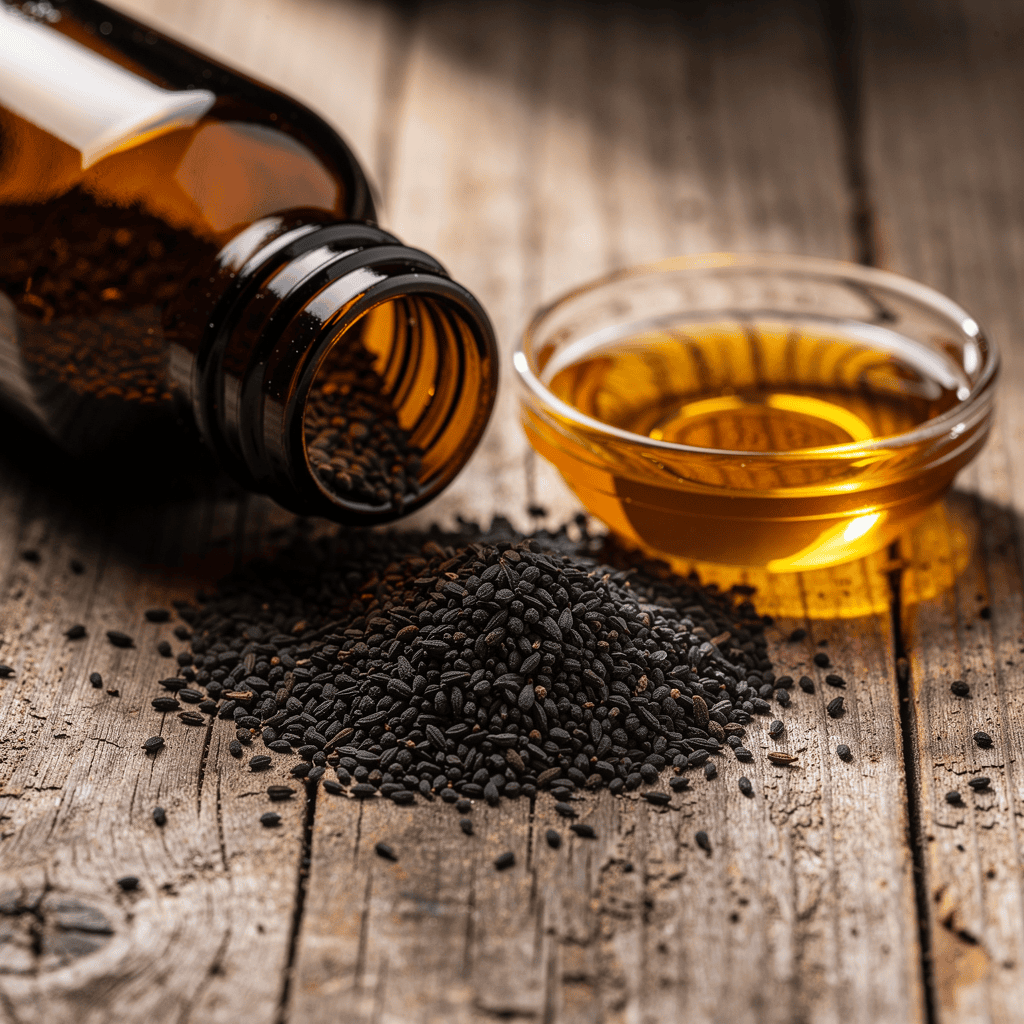
Nigella Sativa, commonly known as black seed or black cumin, has been used in traditional medicine for centuries. The active compound in Nigella Sativa is called thymoquinone, and it is responsible for many of the plant’s health-promoting properties.
Thymoquinone has demonstrated antioxidant and immune-modulating effects in laboratory studies. Oxidative stress plays a role in thyroid tissue damage in Hashimoto’s, and by helping to reduce it, thymoquinone may offer a protective effect on thyroid cells.
Research on Nigella Sativa and Thyroid Antibodies
Studies suggest Nigella Sativa may help reduce TPO (thyroid peroxidase) antibody levels, a key marker of autoimmune thyroid activity. A study in Complementary Therapies in Clinical Practice found improvements in TPO antibody levels among participants. Research also suggests Nigella sativa may modulate immune cell activity, which is relevant for autoimmune conditions.While more large-scale trials are needed, these findings provide a foundation for cautious optimism, and many practitioners now include Nigella Sativa as part of a broader thyroid support strategy.
Dosage and Safety Considerations
Research on Nigella Sativa for thyroid support has used dosages ranging from 500 to 2,000 mg of black seed oil daily. It is generally well tolerated, but it may interact with blood-thinning medications and thyroid drugs. If you are taking levothyroxine or other thyroid medications, take Nigella Sativa at least three to four hours apart from your medication to avoid absorption interference.
Always talk to your healthcare provider before adding any new supplement to your routine.
Cordyceps and Autoimmune Thyroid Support
How Cordyceps Modulates the Immune System
Cordyceps is a medicinal mushroom used in traditional Chinese and Tibetan medicine, classified as an adaptogen that may help your body adapt to stress. What makes it particularly interesting for autoimmune conditions is its immunomodulatory effect: rather than simply boosting or suppressing the immune system, Cordyceps may help balance immune activity, which is especially relevant for Hashimoto’s.
Cordyceps and Thyroid Function: What Research Shows
Research on cordyceps and immune modulation suggests it may help regulate T-cell activity and reduce inflammatory cytokines. Animal studies show thyroid-protective effects, though more human trials are needed to confirm these findings in people with Hashimoto’s.Is Cordyceps Safe for Autoimmune Conditions?
Cordyceps has shown a favorable safety profile, but anyone with an autoimmune condition should work with a knowledgeable healthcare provider before starting it. Look for standardized extracts that list beta-glucan content, as this is a key active component.
Inositol for Hashimoto’s Thyroiditis
The Role of Inositol in Thyroid Physiology
Inositol is a naturally occurring compound that belongs to the vitamin B family. It plays a role in cellular signaling, supporting TSH (thyroid-stimulating hormone) pathways. Inositol is especially interesting for women with Hashimoto’s who also experience insulin resistance or PCOS, because it supports both thyroid and metabolic pathways at once.
Myo-Inositol and Thyroid Antibodies
Research has examined myo-inositol, one of the forms of inositol, in combination with selenium for Hashimoto’s support. A study in the Thyroid journal found that 600 mg myo-inositol combined with 27.5 mcg selenium daily helped reduce TPO antibody levels.
This research on inositol and thyroid antibodies suggests the combination may support immune balance in autoimmune thyroid conditions.
The combination of inositol and selenium appears to work synergistically, meaning each compound enhances the effect of the other.
How Much Inositol for Hashimoto’s?
Research studies typically use 600 mg of myo-inositol combined with 27.5 mcg of selenium daily, with some using doses up to 1,200 mg. Work with your healthcare provider to determine the right dose for your needs.
NAC (N-Acetylcysteine) for Autoimmune Thyroid Health
NAC as a Glutathione Precursor
NAC is a form of the amino acid cysteine, and its most important role in the body is boosting glutathione production. Glutathione is often called the body’s master antioxidant because it plays a central role in protecting cells from damage.
In autoimmune conditions like Hashimoto’s, glutathione levels are often lower than normal. When thyroid cells are under attack from the immune system, they experience oxidative stress. NAC helps protect thyroid cells by supporting the body’s natural defense systems against this kind of damage.
NAC and Hashimoto’s: Evidence Summary
Research suggests that NAC may help reduce thyroid antibody levels and support immune balance. Studies have shown that NAC’s antioxidant properties may help protect thyroid tissue from the inflammation that characterizes Hashimoto’s. As a bonus, NAC is also studied for its support of gut health and respiratory function, both of which are relevant for people living with autoimmune conditions.
The existing evidence supports NAC as a reasonable addition to a comprehensive thyroid support strategy.
NAC Dosage Guidelines for Thyroid Support
Research studies on NAC for thyroid support typically use 600 to 1,200 mg daily, ideally on an empty stomach for optimal absorption. It is generally well tolerated, though higher doses may cause mild digestive discomfort. Consult your healthcare provider before starting NAC.
Curcumin for Thyroid Inflammation
Curcumin’s Anti-Inflammatory Mechanisms
Curcumin is the active compound found in turmeric, used in cooking and traditional medicine for thousands of years. Its most well-studied effect is inhibiting NF-kB, a protein complex that acts as a master switch for inflammation. Since Hashimoto’s involves chronic thyroid inflammation, curcumin’s anti-inflammatory action is directly relevant and may support a more balanced immune environment around the thyroid.
Research on Curcumin and Hashimoto’s
Studies suggest curcumin may help reduce inflammatory markers and TPO antibody levels in Hashimoto’s. Research on combining curcumin with resveratrol has shown promise for thyroid health. More large-scale clinical trials are needed, but early findings are encouraging.
Maximizing Curcumin Bioavailability
Curcumin is poorly absorbed by the body on its own, which is a common frustration for people who try turmeric supplements without results. Look for curcumin supplements that include piperine (black pepper extract) or choose liposomal formulations, which significantly improve absorption. If you are taking curcumin without an absorption enhancer, you may not be getting the full benefit.
How These Five Compounds Work Together
Synergy Between Anti-Inflammatory Compounds
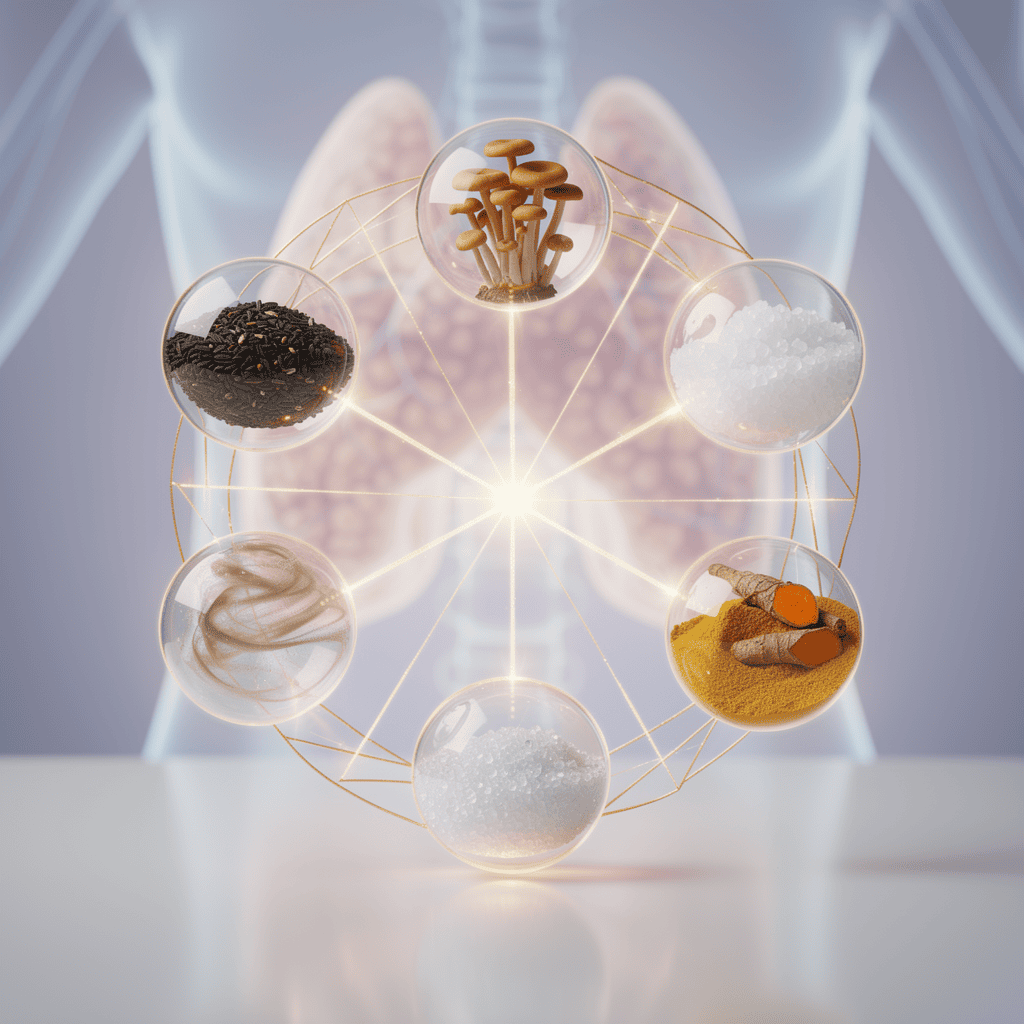
Each compound targets a different pathway: Nigella Sativa and NAC provide antioxidant support, Cordyceps modulates immune activity, Inositol supports cellular signaling, and curcumin reduces inflammation.
Together, these compounds create a more comprehensive support strategy than any single compound alone. By addressing multiple pathways at once, you give your body more tools to work with.
Building a Comprehensive Supplement Strategy
Start with one compound at a time and monitor how you feel. If you notice a change, you know which compound is responsible.
Supplements complement, but never replace, your existing medical treatment. Always keep your healthcare provider informed.
For broader wellness context, explore natural supplements like shilajit that support overall wellness.
Supporting Your Immune System with Quality Supplements
Why Formulation Matters
Not all supplements are created equal. Quality depends on bioavailability, sourcing, third-party testing, and how the ingredients are combined. A supplement with poor formulation may contain the right ingredients on paper but deliver little benefit in practice.
How Immune Rebalance Aligns with the Science
If you are looking for a thoughtfully formulated option that brings several of these evidence-based principles together, IH Factors Immune Rebalance is designed to support your body’s natural immune balance. It combines ingredients that align with the science discussed throughout this article, making it a convenient way to incorporate multiple supportive compounds into your daily routine.
The formulation focuses on immune modulation and antioxidant support, two key areas relevant to Hashimoto’s. Immune Rebalance offers a streamlined approach for people who want comprehensive support without managing five separate supplements.
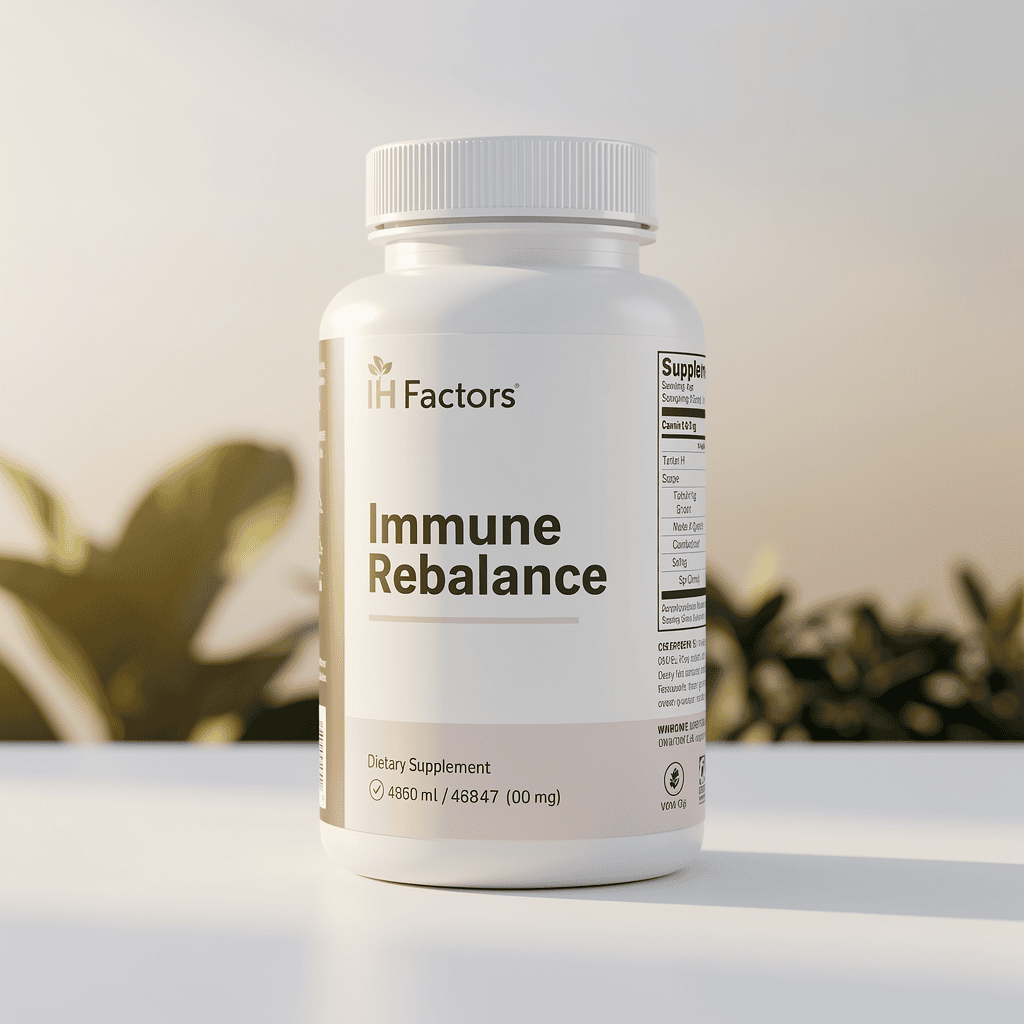
Learn more about how Immune Rebalance can fit into your wellness routine.
Frequently Asked Questions
What supplements should I avoid with Hashimoto’s?
If you have Hashimoto’s, avoid excessive iodine, which may worsen autoimmune thyroid inflammation. High-dose biotin can interfere with thyroid lab tests, and excess soy may affect thyroid hormone absorption. Always consult your healthcare provider before starting or stopping any supplement.
Does NAC help Hashimoto’s?
NAC may help support thyroid health by boosting glutathione, the body’s master antioxidant, which protects thyroid cells from oxidative damage. Research suggests NAC may reduce thyroid antibody levels and support immune balance, though more large-scale trials are needed.
How much inositol for Hashimoto’s?
Research studies typically use 600 mg of myo-inositol combined with 27.5 mcg of selenium daily, with some using up to 1,200 mg. Work with your healthcare provider to determine the right dose for your situation.
Is cordyceps good for autoimmune diseases?
Cordyceps has shown immunomodulatory properties, meaning it may help regulate immune activity rather than simply boosting or suppressing it. For Hashimoto’s, this modulation is theoretically beneficial, but consult your healthcare provider before use, as it can interact with autoimmune medications.
Can curcumin help autoimmune thyroid disease?
Curcumin has demonstrated anti-inflammatory and immune-modulating effects that may benefit autoimmune thyroid conditions. Research suggests it may reduce thyroid antibodies and inflammation markers. To maximize absorption, choose curcumin supplements with piperine (black pepper extract) or liposomal formulations.
What is the best natural treatment for Hashimoto’s?
There is no single “best” natural treatment for Hashimoto’s. Research supports anti-inflammatory diet changes, targeted supplementation, stress management, and gut health support.
Compounds like Nigella Sativa, Cordyceps, Inositol, NAC, and Curcumin may also help. Work with your healthcare provider to create a personalized plan.
How does stress affect Hashimoto’s?
Chronic stress can worsen Hashimoto’s symptoms by triggering cortisol release, which suppresses thyroid hormone conversion and increases inflammation. It may also increase intestinal permeability, linked to autoimmune flare-ups. Stress management through meditation, exercise, adequate sleep, and adaptogenic supplements may help.
Moving Forward with Hashimoto’s
Working with Your Healthcare Provider
Keep your healthcare provider involved when exploring natural support for Hashimoto’s. Supplements can interact with thyroid medications, so take them three to four hours apart. Consider tracking TPO antibodies, TSH, T3, and T4 before and after adding supplements to give you and your provider clear data to work with.
Key Takeaways
Five natural compounds show promise for supporting thyroid health in Hashimoto’s through different mechanisms. Quality and formulation matter when choosing supplements. Look for third-party tested products with well-researched ingredient combinations.
Most importantly, always work with a healthcare provider for personalized guidance. Your thyroid health journey is unique, and your supplement strategy should reflect that.