
Mitochondrial Function and Chronic Disease: What You Need to Know
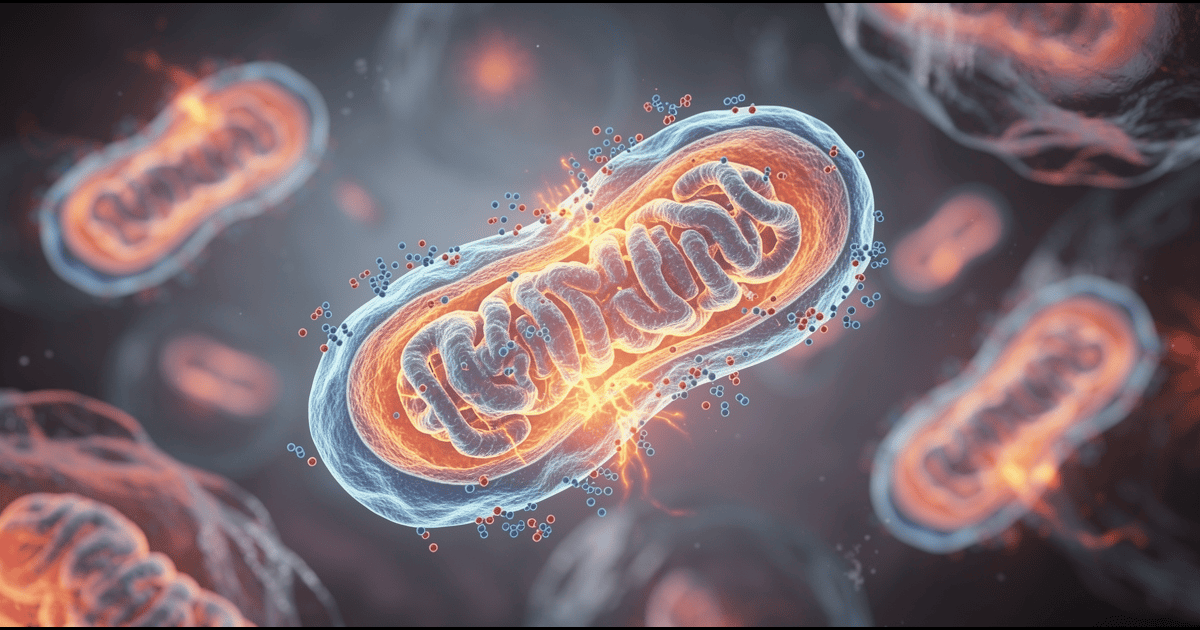
When most of us think about mitochondria, we picture a tired high school biology diagram labeled “the powerhouse of the cell.” But mitochondrial function goes far beyond a textbook cliché. These tiny structures sit at the very center of your energy, your health, and how you age. When mitochondria work well, your body has the fuel it needs to thrive. When they struggle, the effects ripple outward into fatigue, metabolic trouble, cognitive fog, and chronic disease risk.
In this guide, you will learn what mitochondrial dysfunction actually is, how it connects to some of the most common chronic conditions people face today, and what you can do to support your cellular energy naturally. We will cover the science in plain language, share evidence-based strategies, and highlight key nutrients that research suggests can make a real difference.
This article is for: Health-conscious adults (ages 30 to 55) who want to understand the link between mitochondrial function and chronic disease, and who are looking for natural, science-backed ways to support their cellular health.
What Are Mitochondria and Why Do They Matter?
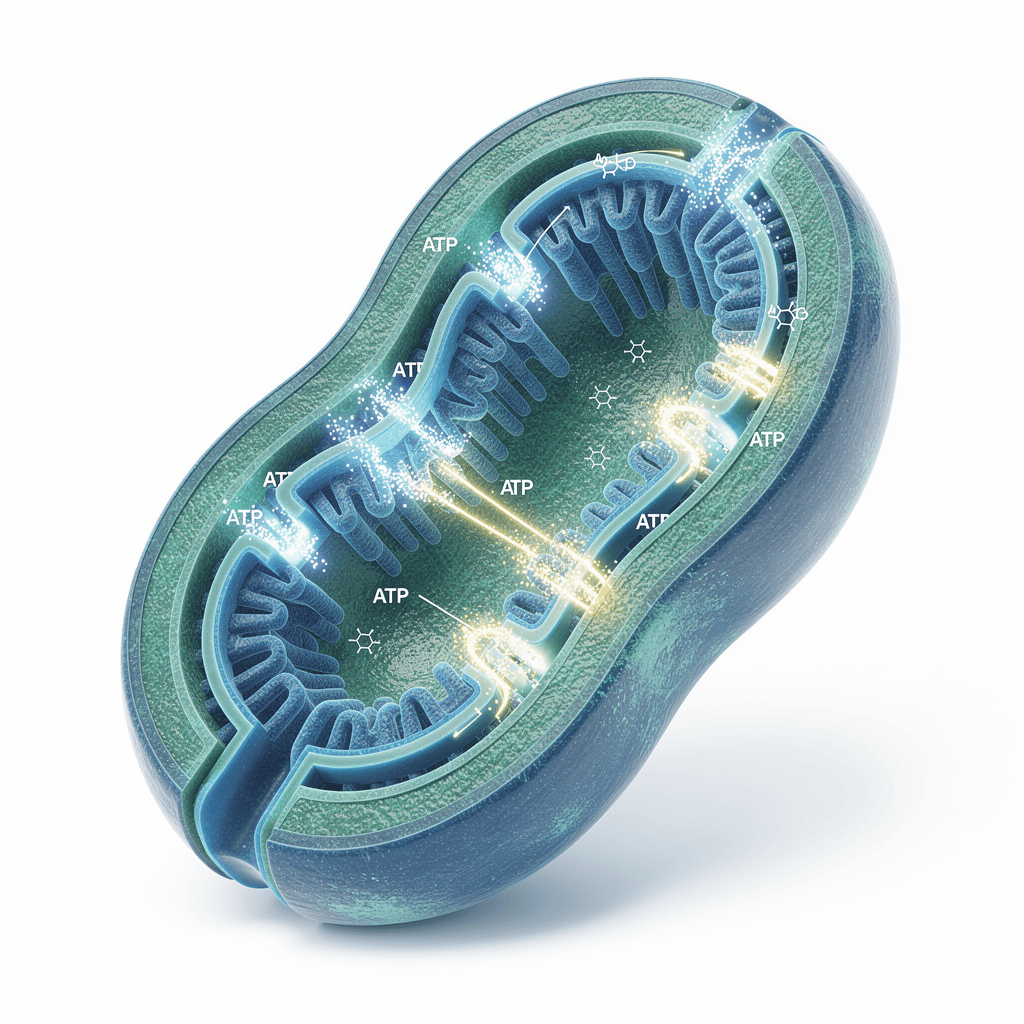
Mitochondria are small structures inside nearly every cell that convert food and oxygen into adenosine triphosphate (ATP), the energy currency your cells use to function. Think of them as tiny rechargeable batteries powering everything from your heartbeat to your brain signals. When mitochondria struggle, the effects show up as persistent tiredness, brain fog, and sluggishness that no amount of coffee seems to fix.
Research from the National Institutes of Health (NIH) confirms that mitochondrial dysfunction is implicated in a wide range of chronic conditions, from metabolic syndrome to neurodegenerative diseases (Picard et al., 2016, published in The Journal of Clinical Investigation). Understanding how these tiny structures affect your overall health is the first step toward taking action.
The Science of ATP Production (Simplified)
Your body breaks down food into glucose, which enters the mitochondria and goes through the electron transport chain, turning glucose and oxygen into ATP. This process requires helper molecules called cofactors, including CoQ10, B vitamins, and magnesium. When cofactors are in short supply or mitochondria are damaged, the assembly line slows, producing less ATP and more waste products called reactive oxygen species (ROS).
What Is Mitochondrial Dysfunction?
Mitochondrial dysfunction occurs when mitochondria, the tiny energy-producing structures inside your cells, fail to generate enough ATP (cellular energy) to meet your body’s needs. This can result from oxidative stress, aging, poor nutrition, or environmental toxins, and is increasingly linked to chronic diseases like diabetes, neurodegeneration, and cardiovascular disease.
At the cellular level, mitochondrial dysfunction means the mitochondria produce less energy while creating more damaging byproducts. This creates a vicious cycle where damaged mitochondria produce more reactive oxygen species, causing further damage.
Over time, this contributes to cellular decline and the chronic health conditions that affect millions. A review in Nature Reviews Molecular Cell Biology found that mitochondrial dysfunction is a hallmark of aging and a contributing factor in metabolic, neurodegenerative, and cardiovascular diseases (Sun et al., 2016). The encouraging takeaway is that mitochondrial health is modifiable.
What Causes Mitochondrial Dysfunction?
The main causes of mitochondrial dysfunction include oxidative stress, aging, environmental toxins, poor diet, chronic stress, and a sedentary lifestyle. Let us look at the most common causes.

Oxidative Stress and Free Radicals
Every time your mitochondria produce energy, they also produce reactive oxygen species (ROS), commonly known as free radicals. When ROS production outpaces your body’s ability to neutralize them, oxidative stress occurs, damaging mitochondrial membranes, proteins, and DNA.
Over time, this damage impairs energy production and is a primary mechanism behind age-related mitochondrial decline. Antioxidants, including vitamins C and E, alpha-lipoic acid, and glutathione, help neutralize free radicals. A study in Redox Biology highlighted the critical role of antioxidant defense systems in maintaining mitochondrial function (Yang et al., 2017).
Aging and Natural Decline
Mitochondrial function naturally declines with age. Research shows ATP production can decrease by as much as 40 to 50 percent between ages 20 and 70 (Short et al., 2005, published in Proceedings of the National Academy of Sciences). As mitochondria age, they become less efficient and more likely to produce damaging free radicals.
The good news is that lifestyle factors like exercise and nutrition can significantly slow this decline. Regular physical activity stimulates mitochondrial biogenesis, meaning your daily habits directly impact how well your mitochondria age.
Environmental Toxins and Poor Diet
Processed foods, pesticides, heavy metals, and air pollution all contribute to oxidative stress and mitochondrial load. A diet low in CoQ10, B vitamins, and magnesium deprives mitochondria of the raw materials they need. The good news is that choosing nutrient-dense whole foods and minimizing toxin exposure eases the burden on your mitochondria, and even modest dietary improvements make a meaningful difference.
How Mitochondrial Dysfunction Contributes to Chronic Disease
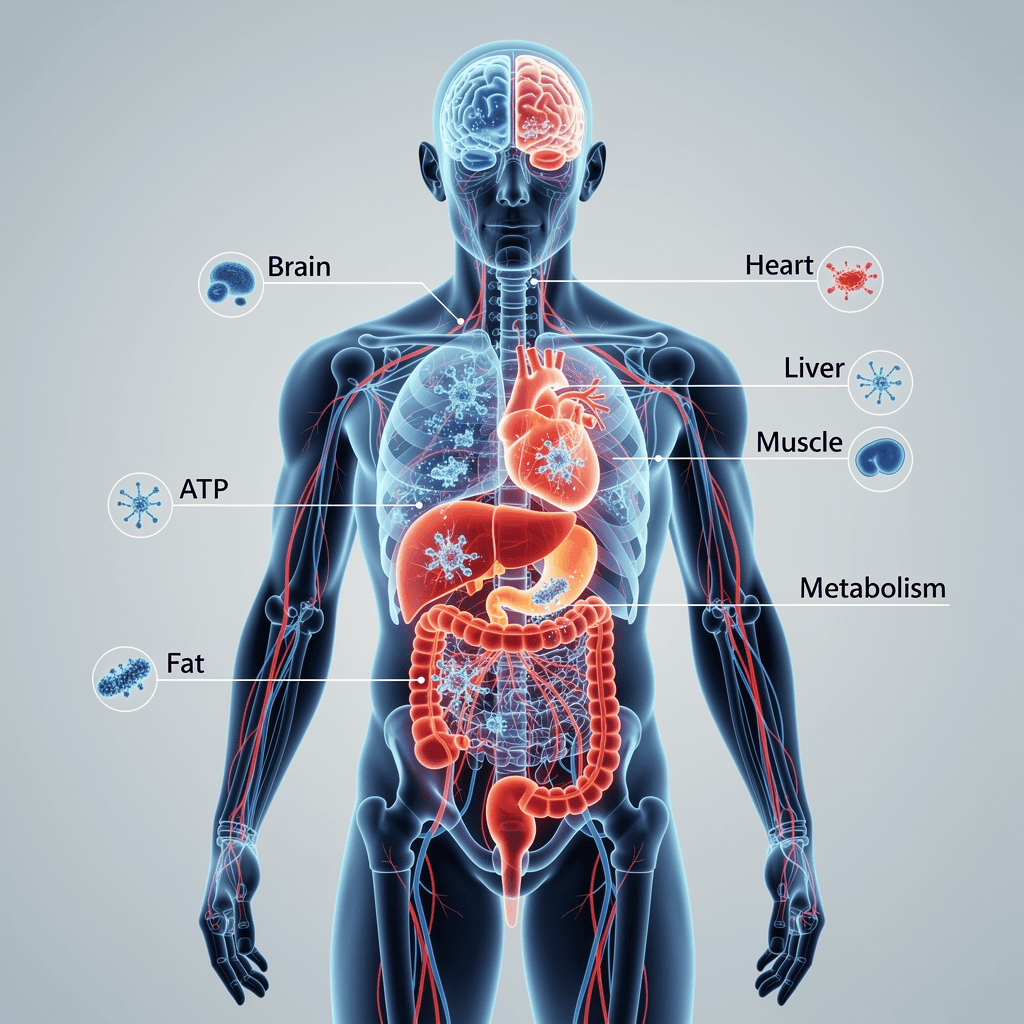
When mitochondria cannot produce enough energy, the most energy-demanding organs struggle first. This is why mitochondrial dysfunction is linked to so many chronic conditions.
Metabolic Disorders (Insulin Resistance, Obesity)
Mitochondrial dysfunction is closely linked to metabolic disorders including insulin resistance and obesity. When cells cannot produce enough energy, they become less responsive to insulin. Research published in Diabetes (Pagel-Langenickel et al., 2010) found that impaired mitochondrial function in skeletal muscle is one of the earliest detectable abnormalities in people at risk for type 2 diabetes. Learn more in our article on natural allies in managing diabetes and insulin resistance.
Neurodegenerative Conditions (Brain Fog, Cognitive Decline)
Your brain consumes roughly 20 percent of your total energy despite making up only 2 percent of your body weight. When mitochondrial function declines, you notice it as brain fog, difficulty concentrating, and cognitive fatigue. Studies have linked mitochondrial dysfunction to neurodegenerative conditions including Alzheimer’s and Parkinson’s disease (Onyango et al., 2016, published in Antioxidants and Redox Signaling). Supporting mitochondrial health is increasingly recognized as a meaningful strategy for cognitive function as we age.
Chronic Fatigue and Energy Decline
Persistent low energy is one of the most common symptoms of mitochondrial dysfunction. It is a deeper, systemic fatigue that ordinary sleep cannot fix. A study in the Journal of Translational Medicine found that patients with chronic fatigue had significantly lower mitochondrial function compared to healthy controls (Myhill et al., 2013), suggesting that supporting mitochondrial energy production may help address persistent fatigue.
Cardiovascular Health
The heart beats over 100,000 times per day, making it one of the highest-energy organs. Mitochondrial dysfunction in cardiac tissue has been linked to heart failure and arrhythmias. Research in Circulation Research (Dorn, 2013) confirmed that mitochondrial abnormalities play a central role in cardiovascular disease.
How to Improve Mitochondrial Function Naturally

You can support your mitochondrial function through targeted lifestyle strategies. Here are seven evidence-based approaches:
- Eat a nutrient-dense, whole-foods diet rich in antioxidants and mitochondrial cofactors.
- Exercise regularly, combining cardiovascular and resistance training to stimulate mitochondrial biogenesis.
- Prioritize quality sleep (7 to 9 hours per night) to support cellular repair.
- Manage chronic stress through mindfulness, breathing exercises, or adaptogens like ashwagandha.
- Consider intermittent fasting, which activates pathways that promote mitochondrial biogenesis.
- Minimize environmental toxins such as processed foods, pesticides, and heavy metals.
- Supplement with key nutrients like CoQ10, alpha-lipoic acid, and B vitamins.
Nutrition for Mitochondrial Health
Mitochondria need CoQ10, B vitamins, magnesium, and antioxidants to produce energy efficiently. Foods rich in these nutrients include fatty fish, leafy greens, berries, and nuts. Reducing processed food intake matters too, because processed foods increase oxidative stress and deplete mitochondrial nutrients.
Exercise and Mitochondrial Biogenesis
Exercise is one of the most powerful natural stimulators of mitochondrial biogenesis, the process by which your body creates new mitochondria. Research shows regular physical activity increases both the number and efficiency of mitochondria in muscle tissue (Hood et al., 2019, published in Physiological Reviews).
Both cardiovascular exercise and resistance training activate PGC-1alpha, a protein that acts as a master switch for creating new mitochondria. Even moderate exercise, such as brisk walking 30 minutes five days per week, produces measurable improvements. Learn more in our article on intermittent fasting and brain health.
Sleep, Stress, and Circadian Rhythm
Sleep is when your body does most cellular repair, including mitochondrial maintenance. Chronic sleep deprivation accelerates mitochondrial decline. Even one night of poor sleep can measurably reduce mitochondrial function (van den Berg et al., 2016, published in The Journal of Clinical Endocrinology & Metabolism).
Chronic stress is another contributor, as stress hormones like cortisol increase oxidative stress and impair energy production. Managing stress through meditation, deep breathing, or adaptogenic herbs helps protect your mitochondria. Learn more in our article on the benefits of ashwagandha.
Key Nutrients for Mitochondrial Support
Certain vitamins and nutrients play a direct role in mitochondrial energy production. Here are the most important ones to know about.
CoQ10 (Ubiquinone and Ubiquinol)
Coenzyme Q10 (CoQ10) is one of the most critical nutrients for mitochondrial function, playing a central role in the electron transport chain. It exists in two forms: ubiquinone (oxidized) and ubiquinol (active, reduced). As we age, our ability to convert ubiquinone to ubiquinol decreases, making supplementation more important. A study in BioFactors (Garrido-Maraver et al., 2014) found that CoQ10 improved mitochondrial function in patients with mitochondrial disorders.
Alpha-Lipoic Acid
Alpha-lipoic acid (ALA) is a unique antioxidant that works in both water and fat-soluble environments. It supports mitochondrial energy production and regenerates other antioxidants including vitamins C and E, glutathione, and CoQ10. Research published in Mitochondrion (Packer et al., 1997) showed that ALA can improve mitochondrial function and reduce oxidative damage.
B Vitamins and Magnesium
B vitamins, particularly B1 (thiamine), B2 (riboflavin), and B3 (niacin), are essential cofactors in energy production. Read more about the power of B vitamins for energy and mood.
Magnesium is involved in over 300 enzymatic reactions including ATP production. Up to 50 percent of U.S. adults do not get enough magnesium from diet alone. Learn more about the many forms of magnesium and their benefits.
Antioxidants That Protect Mitochondria
Antioxidants neutralize free radicals produced during energy production. Key mitochondrial antioxidants include vitamin C, vitamin E, glutathione, and N-acetyl cysteine (NAC), with NAC being a precursor to glutathione, the body’s master antioxidant. Discover more in our articles on the science of antioxidants, the many functions of NAC, and glutathione benefits and functions in the body.
Supporting Your Mitochondria with Mito Factors
If you want a convenient way to support your mitochondria, Mito Factors from IH Factors combines CoQ10, alpha-lipoic acid, and B vitamins in one comprehensive formula.
Why a Comprehensive Formulation Matters
Research supports combining CoQ10, alpha-lipoic acid, B vitamins, and antioxidants for greater benefit than taking them in isolation. Quality, bioavailability, and proper dosing also matter. Mito Factors brings these key cofactors together in one formula.
How Mito Factors Aligns with the Science
The formulation aligns with the science we have explored: supporting ATP production, protecting against oxidative stress, and promoting optimal mitochondrial function. IH Factors Mito Factors combines CoQ10, alpha-lipoic acid, and key cofactors in a targeted formula for cellular energy support. Learn more about the role of 1-MNA in supporting mitochondria and how methylene blue boosts mitochondrial health.
As with any supplement, it is always a good idea to discuss new additions to your routine with a healthcare provider, especially if you are managing an existing health condition or taking medications.
Frequently Asked Questions
What is mitochondrial dysfunction?
Mitochondrial dysfunction occurs when mitochondria fail to generate enough ATP to meet your body’s energy needs. This can result from oxidative stress, aging, poor nutrition, or environmental toxins, and is increasingly linked to chronic diseases like diabetes, neurodegeneration, and cardiovascular disease.
What causes mitochondrial dysfunction?
The main causes include oxidative stress from free radicals, natural aging, environmental toxins, poor diet lacking key nutrients, chronic stress, and a sedentary lifestyle. These factors damage mitochondrial DNA, impair the electron transport chain, and reduce ATP production over time.
How does mitochondrial dysfunction contribute to chronic disease?
When mitochondria cannot produce enough energy, high-energy organs like the brain, heart, and muscles suffer first. This energy shortfall leads to cellular dysfunction, which raises the risk of metabolic disorders, neurodegenerative conditions, chronic fatigue, and cardiovascular disease.
What vitamins help support mitochondrial function?
Key nutrients for mitochondrial support include CoQ10, alpha-lipoic acid, B vitamins (especially B1, B2, and B3), magnesium, and antioxidants like vitamins C and E, glutathione, and NAC. These act as cofactors in energy production or protect mitochondria from oxidative damage.
Can mitochondrial dysfunction be reversed?
While age-related decline is natural, research suggests that lifestyle changes can significantly improve mitochondrial function. Regular exercise, a nutrient-dense diet, quality sleep, stress management, and targeted supplementation may help support and even restore mitochondrial health.
What is the best supplement for mitochondrial health?
There is no single “best” supplement, but evidence-based ingredients like CoQ10, alpha-lipoic acid, and B vitamins have strong research support for mitochondrial function. Comprehensive formulas that combine these nutrients, such as Mito Factors, may offer convenient, well-rounded support.
The Bottom Line: Taking Control of Your Cellular Health
Mitochondrial function is one of the most important and most overlooked factors in chronic disease and overall health. When mitochondria produce energy efficiently, your cells and organs thrive. When they struggle, the effects show up as fatigue, metabolic trouble, cognitive fog, and increased disease risk.
The encouraging news is that mitochondrial health is not something you are stuck with. Through regular exercise, a nutrient-dense diet, quality sleep, stress management, and targeted supplementation with key nutrients like CoQ10, alpha-lipoic acid, and B vitamins, you can actively support your mitochondria and your long-term health. Ready to take the next step? Explore Mito Factors to see how a comprehensive mitochondrial support formula might fit into your wellness routine, or continue reading about the anti-aging powerhouse of optimal mitochondrial function to deepen your understanding.