

Perimenopause Benefits: How Hormonal Changes Can Work in Your Favor
When most people think about perimenopause, they picture hot flashes, sleepless nights, and mood swings. But perimenopause benefits go far beyond managing symptoms. What if this natural hormonal transition is your body’s way of recalibrating, growing, and setting the stage for a healthier, more empowered chapter of your life?
The perimenopause benefits most women experience are real, evidence-based, and often overlooked. From emotional resilience to renewed focus on wellness, this transitional period offers unique opportunities for growth. Here, we explore the science behind hormonal changes, the unexpected upsides, and how natural support like evening primrose oil can help you thrive through the transition.
What Happens During Perimenopause: The Hormonal Shift Explained
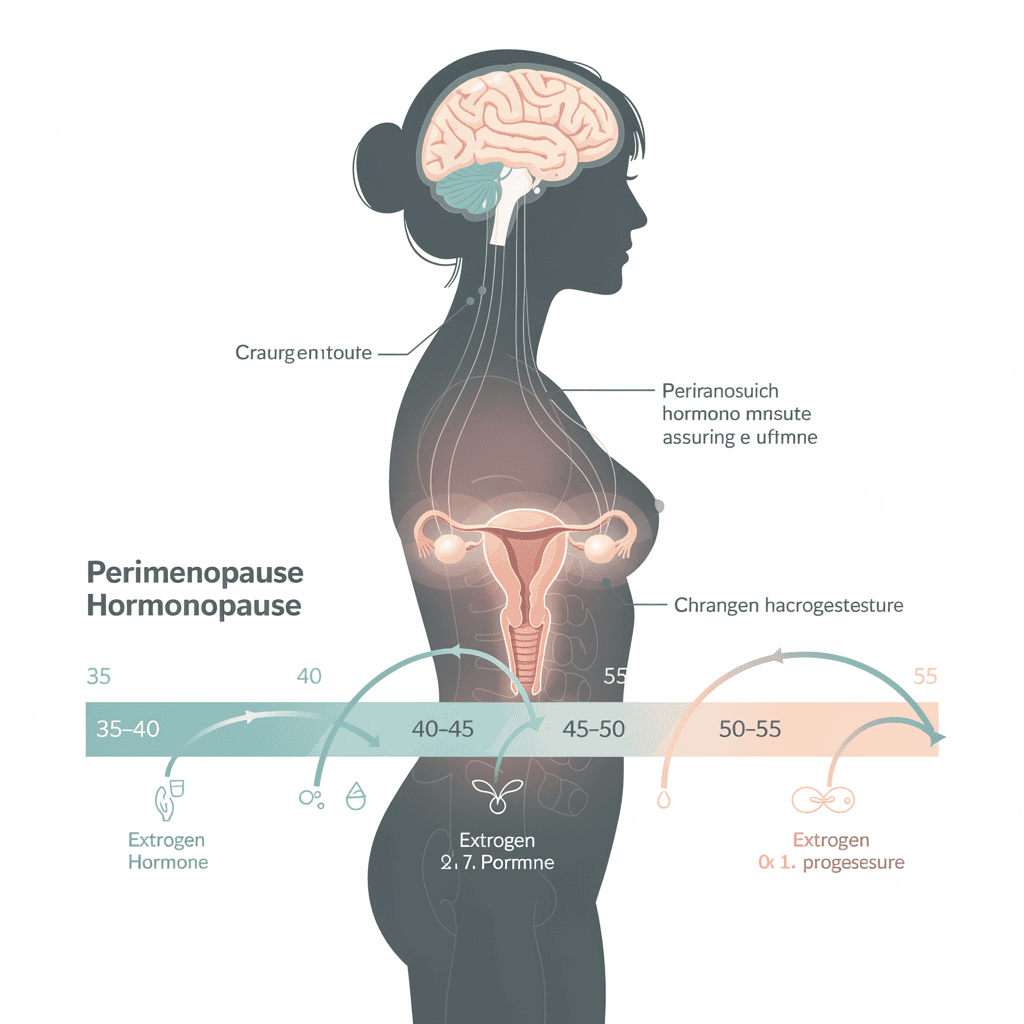
Perimenopause is the transitional period before menopause, typically lasting 4 to 8 years and beginning in a woman’s mid-40s. During this time, your body shifts how it produces and regulates key hormones, particularly estrogen and progesterone.
Estrogen and progesterone levels do not drop in a straight line. Instead, they fluctuate, sometimes rising higher than normal before declining. These fluctuations cause symptoms but also create conditions for meaningful benefits.
Estrogen, Progesterone, and the Timeline of Change
Estrogen affects mood, skin health, bone density, and cognitive function. During perimenopause, estrogen levels can swing wildly before trending downward. Progesterone tends to decline earlier than estrogen, which can affect sleep quality and mood stability.
According to the Cleveland Clinic, perimenopause can begin as early as the mid-30s, with the average onset around age 45. The transition typically lasts 4 to 8 years, though every woman’s experience is unique.
Why Perimenopause Is Not the Same as Menopause
Menopause is a single point: it is officially diagnosed after 12 consecutive months without a period.
Perimenopause is the active transitional phase when most hormonal changes and symptoms occur. Understanding this distinction reframes the experience.
You are not “in menopause” for years. You are in a dynamic transition that your body is designed to navigate.
The Unexpected Benefits of Hormonal Changes
Most perimenopause content focuses on what to manage, treat, or endure. But the perimenopause benefits that come with hormonal shifts are significant and supported by research.

Emotional Resilience and Self-Discovery
As estrogen fluctuates, many women report increased assertiveness, reduced tolerance for things that no longer serve them, and deeper self-awareness. This is not a breakdown. It is a breakthrough.
A study in the journal Maturitas found that women in perimenopause often experience increased self-confidence and emotional clarity, describing this as the most authentic period of their lives.
Freedom from Reproductive Cycles
The end of menstruation brings freedom from monthly pain, PMS, birth control planning, and unplanned pregnancy. For many women, this liberation opens the door to a more spontaneous approach to life and relationships. It is one of the most practical perimenopause benefits.
A Shift in Priorities That Serves You
Perimenopause often triggers deep reflection. Women reassess careers, relationships, and personal goals with clarity that comes from decades of experience. This period of introspection frequently leads to meaningful life changes that feel overdue.
Many start new businesses, change career paths, or deepen meaningful relationships. This natural realignment is driven by hormonal changes that shift your brain’s reward and risk-processing patterns.
Cognitive Sharpness and Mental Clarity
While brain fog is a common complaint, it is not the full picture. Research shows that not all women experience cognitive decline during this phase. Some women actually report sharper thinking and improved problem-solving abilities as they move through perimenopause.
For some, the hormonal shift brings increased focus and mental clarity, especially when they prioritize sleep, nutrition, and stress management. Your brain is adapting to a new hormonal environment, and working with it rather than against it makes all the difference.
How Hormonal Changes Affect Your Body and Mind
Framing perimenopause as beneficial does not mean ignoring the real changes happening in your body. It means seeing the full picture and understanding that both the challenges and the rewards are part of this natural transition.
Physical Shifts: Metabolism, Skin, and Energy
As estrogen declines, metabolism naturally slows, but diet and exercise adjustments make a significant difference. Skin elasticity may change as collagen production decreases, making hydration and nutrition more important.
Energy patterns shift too: some women feel more tired, others need less sleep. The best approach is listening to your body rather than fighting the changes.
Emotional and Cognitive Changes
Mood swings are real but not inevitable. Stress management and nutrition play a huge role in how you experience emotional shifts.
Brain fog affects some women but can often be mitigated with targeted nutrients, consistent sleep, and regular physical activity. Your body is not falling apart. It is transitioning.
Lifestyle Strategies to Support Your Body Through the Transition
You have real control over how you experience perimenopause. The choices you make each day directly influence your hormonal health and energy levels. These strategies can make a measurable difference in how you feel.

Nutrition for Hormonal Balance
Focus on whole foods, healthy fats like avocado and olive oil, lean protein, and fiber. Fiber is especially important because it helps your body excrete excess estrogen and supports gut health, which directly impacts hormone balance.
Learn more about the connection between fiber for digestive health and overall wellness. Phytoestrogen-rich foods like flaxseed, soy, and legumes can also help stabilize hormonal fluctuations naturally.
Movement and Exercise
Strength training becomes especially important during perimenopause because it supports metabolism, preserves bone density, and maintains muscle mass.
Moderate cardio like walking or cycling supports heart health and stress management. Yoga and Pilates add flexibility and body awareness. Consistency matters more than intensity.
Stress Management and Sleep Hygiene
Cortisol, your primary stress hormone, directly impacts estrogen and progesterone balance. Managing stress is a form of hormonal support.
Aim for 7 to 9 hours of sleep per night. Practical tips include a consistent bedtime, limiting blue light before bed, and magnesium supplementation. Adaptogens like ashwagandha and shilajit for energy and wellness may also help build stress resilience during this transition.
Key Nutrients for Hormonal Balance During Perimenopause
Beyond daily nutrition, certain nutrients play a particularly important role in supporting your body through perimenopause. While a balanced diet provides a strong foundation, targeted supplementation can help fill nutritional gaps that become more common during this transition.
Essential Fatty Acids and GLA
GLA (gamma-linolenic acid) is an omega-6 fatty acid that helps your body produce prostaglandins, hormone-like substances that regulate inflammation and support hormonal response. It is found naturally in evening primrose oil, borage oil, and black currant seed oil. During perimenopause, your body’s natural GLA production may decline, making dietary sources and supplementation worth considering.
Vitamin D, Magnesium, and B Vitamins
Vitamin D supports mood, immune function, and bone health. Magnesium supports sleep, muscle relaxation, and stress reduction.
B vitamins support energy metabolism and neurotransmitter function, which directly affects mood and mental clarity. The best approach is food first, supplement second, ideally under the guidance of a healthcare provider.
Why Evening Primrose Oil Supports Your Perimenopause Journey
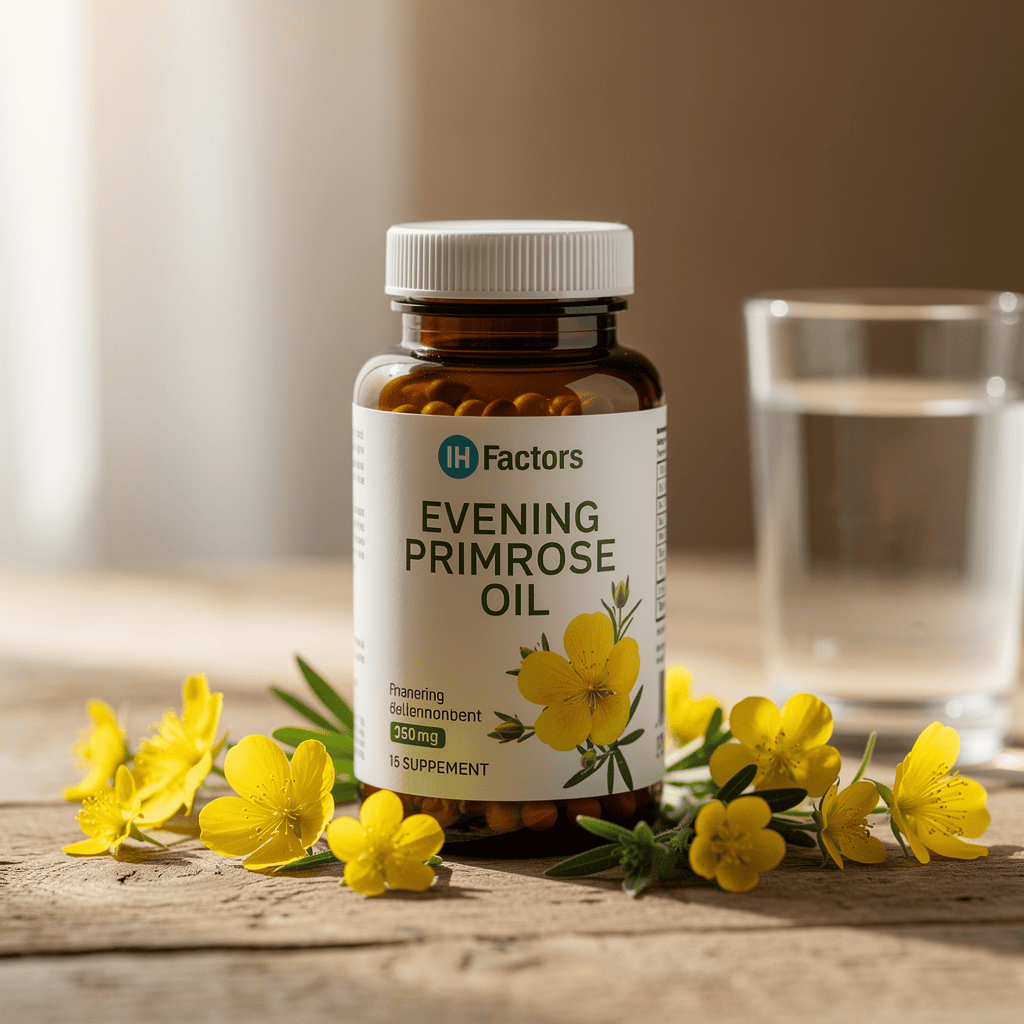
Now that we have explored perimenopause benefits and the nutrients that support them, let’s look at one supplement that brings several of these benefits together.
What Is Evening Primrose Oil?
Evening primrose oil is extracted from the seeds of the evening primrose plant (Oenothera biennis). It is one of the richest natural sources of GLA, the omega-6 fatty acid we discussed earlier. People have used evening primrose oil for women’s health for centuries, and modern research is confirming its benefits.
How GLA Supports Hormonal Balance
GLA is converted in your body to DGLA (dihomo-gamma-linolenic acid), which supports healthy inflammation. During perimenopause, your body’s natural GLA production may decrease, making supplementation beneficial. Research in the Journal of the North American Menopause Society shows that GLA supplementation can reduce hot flash frequency and ease breast tenderness, both common perimenopause symptoms.
What the Research Says
A systematic review in the Journal of Women’s Health found that GLA supplementation was associated with reduced menopausal symptoms, including hot flashes and mood changes. Evening primrose oil is not a miracle cure, but the research consistently supports its role as a natural tool for managing hormonal shifts.
How to Choose a Quality Evening Primrose Oil Supplement
Look for standardized GLA content (typically 8 to 10%), cold-pressed and hexane-free extraction, and third-party testing for purity and potency.
Evening Primrose Oil by IH Factors checks all of these boxes: cold-pressed, third-party tested, and formulated by a healthcare professional. Typical dosage is 1,000 to 3,000 mg daily, but always consult your provider first.
Putting It All Together: Your Perimenopause Action Plan
You now have a clear picture of what perimenopause is, why the benefits are real, and how to support your body through the transition.
Daily Habits for Hormonal Wellness
- Eat a whole-foods diet rich in fiber, healthy fats, and lean protein
- Move your body daily, mixing strength training with walking or yoga
- Prioritize 7 to 9 hours of quality sleep every night
- Manage stress with meditation, breathing exercises, or adaptogens
- Consider targeted supplements like evening primrose oil for GLA support
When to Talk to Your Healthcare Provider
If you experience severe symptoms, unusual bleeding patterns, persistent depression, or symptoms that significantly interfere with your daily life, consult your doctor. Hormone testing can provide personalized insights that help you create a plan tailored to your specific needs.
Frequently Asked Questions About Perimenopause Benefits
What are the positive side effects of perimenopause?
Perimenopause can bring increased emotional resilience, a shift in priorities toward self-care, freedom from reproductive cycles, and in some cases improved mental clarity. As estrogen levels fluctuate, many women report feeling more confident and self-aware.
Can perimenopause actually be good for you?
Yes. Many women experience emotional growth, reduced anxiety about pregnancy, and a renewed focus on health and wellness. The hormonal shifts are part of your body’s natural recalibration that can lead to greater self-awareness and vitality.
Does evening primrose oil help with perimenopause symptoms?
Evening primrose oil contains GLA, an essential fatty acid that may support hormonal balance during perimenopause. Research suggests GLA can help with hot flashes and breast tenderness. A quality EPO supplement like IH Factors Evening Primrose Oil provides a natural source of GLA to support your hormonal wellness.
At what age does perimenopause typically start?
Perimenopause typically begins in a woman’s mid-40s, though it can start as early as the mid-30s or as late as the mid-50s. The average age of onset is around 45, with the transition lasting 4 to 8 years before menopause.
How long does perimenopause last?
Perimenopause typically lasts 4 to 8 years, though some women experience a shorter or longer transition. Most women enter perimenopause between ages 45 and 55, with menopause occurring around age 51 on average. The duration varies based on genetics, lifestyle, and overall health.
The Bottom Line: Embracing the Change
Perimenopause is not something to fear or fight. It is a natural, transformative life stage with real perimenopause benefits that deserve recognition. Every woman’s journey is unique, and the positive shifts happening in your body are worth celebrating.
The hormonal changes happening in your body are not signs of decline. They are signals of growth, recalibration, and renewal.
With the right nutrition, consistent movement, stress management, and natural support like evening primrose oil, you can navigate this transition with strength, confidence, and vitality.
Your perimenopause journey is yours to shape, and it is one worth embracing fully. If you are ready to explore a natural way to support your hormonal wellness, Evening Primrose Oil by IH Factors is a quality option worth considering.