
Tyrosine and Its Many Benefits: A Complete Guide to This Essential Amino Acid
Introduction: Why Tyrosine Matters
Most people know protein is important, but few understand how specific amino acids like tyrosine power the thyroid, adrenals, and brain. If you have ever dealt with fatigue, brain fog, or thyroid concerns, tyrosine benefits may be exactly what you need to explore.
In this guide, you will learn how tyrosine supports thyroid hormone production, helps your adrenal glands manage stress, and boosts cognitive performance. We will also cover the best food sources, when supplementation makes sense, and how a targeted formula like Dopa Factors can help.
What Is Tyrosine and Why Does Your Body Need It?
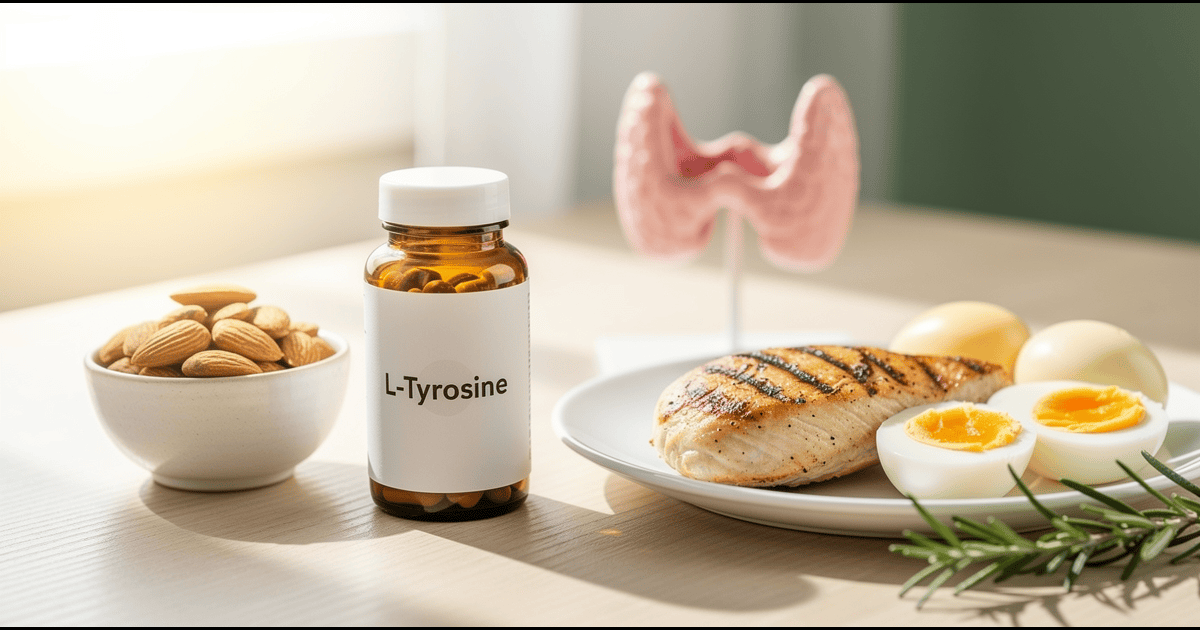
Tyrosine is a non-essential amino acid, meaning your body can produce it from another amino acid called phenylalanine. However, under stress or heavy demand, your body may not make enough to keep up. That is where food sources and supplements come in.
Tyrosine is a precursor to key neurotransmitters and hormones that control everything from metabolism to mood. Think of it as raw material that the body’s “assembly lines” use to make critical products. Cleveland Clinic identifies tyrosine as important for producing thyroid hormones, adrenaline, and dopamine. Healthline adds that it regulates stress response and cognitive function.
The Science Behind Tyrosine
Tyrosine is synthesized from phenylalanine, an essential amino acid from food. Your body converts it into L-DOPA, which then becomes dopamine, norepinephrine, and epinephrine. These neurotransmitters drive motivation, alertness, and the fight-or-flight response. Tyrosine also combines with iodine to produce T3 (triiodothyronine) and T4 (thyroxine), the two primary thyroid hormones.
How Your Body Uses Tyrosine
Your body channels tyrosine through three main systems:
- Thyroid: Hormone production (T3 and T4) for metabolic regulation
- Adrenal glands: Stress hormone production (epinephrine and norepinephrine)
- Brain: Neurotransmitter production (dopamine) for focus and mood
During stress, tyrosine demand spikes. Your body depletes its supply faster than it can replenish it, which is why supplementation can be particularly beneficial.
Tyrosine Benefits for Thyroid Health: Supporting Your Metabolism
Tyrosine and thyroid health are deeply connected. Tyrosine is one of the two essential ingredients required to make thyroid hormones. Without enough tyrosine, your thyroid cannot produce adequate T3 and T4, even if iodine intake is sufficient. The American Thyroid Association confirms that thyroid hormones regulate metabolism, body temperature, heart rate, and energy levels.
How Tyrosine Powers T3 and T4 Production
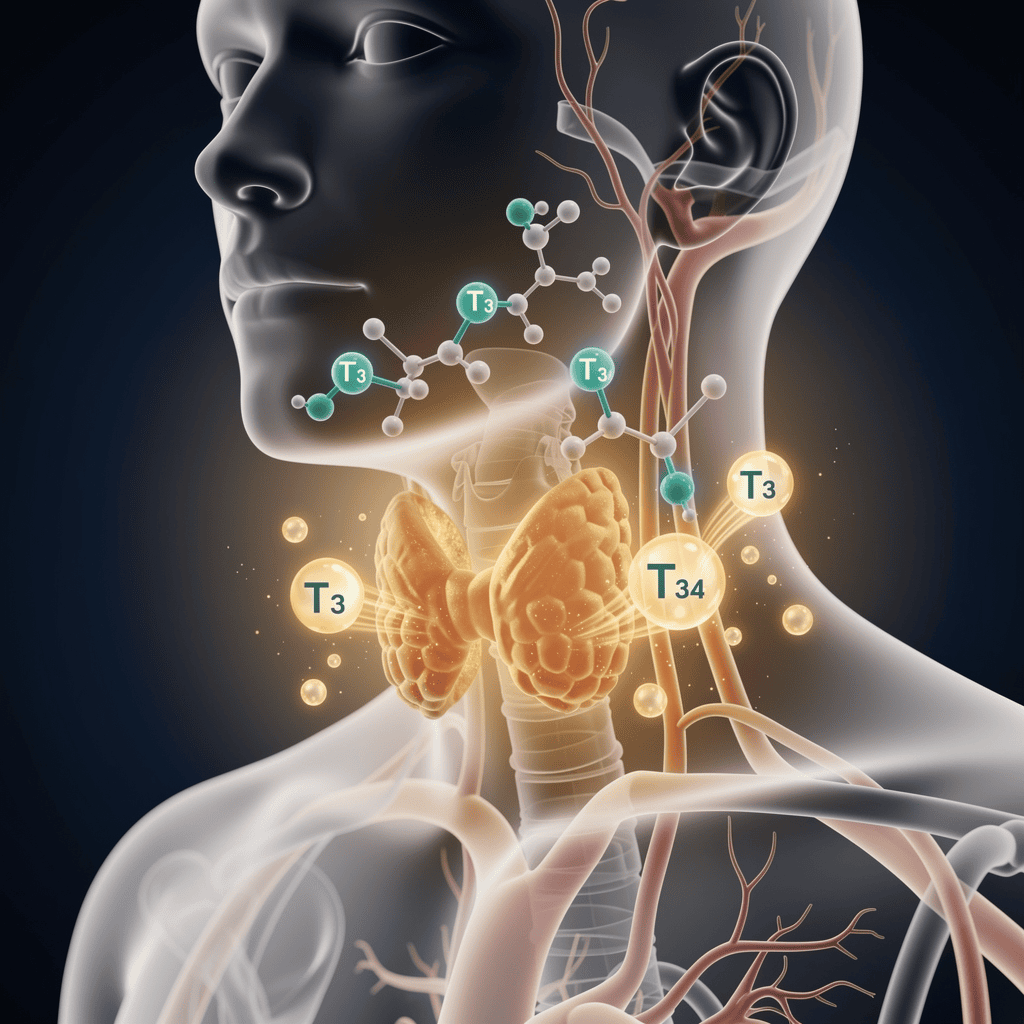
Tyrosine is incorporated into thyroglobulin, a protein stored in the thyroid gland. Iodine atoms are added to tyrosine residues within thyroglobulin to create T4 (four iodine atoms) and T3 (three iodine atoms). The thyroid cannot make these hormones without both tyrosine and iodine. Most competitor articles mention iodine’s role but skip tyrosine’s equally critical contribution.
Why Thyroid Function Depends on Tyrosine
Low tyrosine intake reduces thyroid hormone production, leading to fatigue, weight gain, and cold intolerance. For people with autoimmune conditions like Hashimoto’s disease, adequate tyrosine supports whatever thyroid function remains.
Tyrosine Benefits for Adrenal Health: Beating Stress Naturally
The tyrosine adrenal gland connection is one of the most underappreciated tyrosine benefits. Your adrenal glands sit on top of your kidneys and produce catecholamines, including epinephrine and norepinephrine, which drive your stress response. Tyrosine is the direct precursor to these catecholamines.
During stress, tyrosine demand spikes. Examine.com notes that tyrosine is particularly effective during acute stressors like cold exposure, sleep deprivation, and demanding mental tasks. A PubMed study found that tyrosine supplementation maintained cognitive performance during cold-induced stress compared to a placebo.

The Adrenal-Stress Connection
Chronic stress depletes adrenal catecholamines. When these stores run low, you experience fatigue, brain fog, and mood swings. Tyrosine replenishes these stores, supporting your body’s natural stress response. Military studies on PubMed show that tyrosine improves cognitive performance under acute stress.
How Tyrosine Supports Cortisol Balance
Tyrosine does not directly lower cortisol. Instead, it supports the catecholamine branch of the stress response, specifically the adrenaline and noradrenaline pathway. By strengthening this branch, tyrosine takes pressure off the adrenal system as a whole, helping your body handle stress more efficiently.
Tyrosine Benefits for Brain Power: Focus, Mood, and Cognitive Function
Tyrosine for focus is one of the most well-researched tyrosine benefits. By boosting dopamine production, tyrosine directly influences motivation, focus, mood, and pleasure. Norepinephrine, also produced from tyrosine, affects alertness and concentration. Research on PubMed documents tyrosine’s positive effects on cognitive performance, working memory, and mental flexibility.
Dopamine Production and Mental Performance
Dopamine is the “motivation molecule” that drives your desire to pursue goals and feel rewarded. Tyrosine is the rate-limiting precursor to dopamine, meaning your brain can only produce as much dopamine as available tyrosine allows. Studies show that tyrosine supplementation improves working memory, cognitive flexibility, and task performance under stress.
Tyrosine Under Stress: When It Matters Most
The cognitive benefits of tyrosine are most pronounced during sleep deprivation, multitasking, and high-demand environments. This is why tyrosine supplements are popular among students, professionals, and shift workers. Unlike caffeine, tyrosine supports the underlying neurotransmitter system rather than providing a temporary stimulant effect followed by a crash. If you need an amino acid for focus that works with your body, tyrosine is an excellent choice.
How to Get More Tyrosine: Food Sources and Supplements
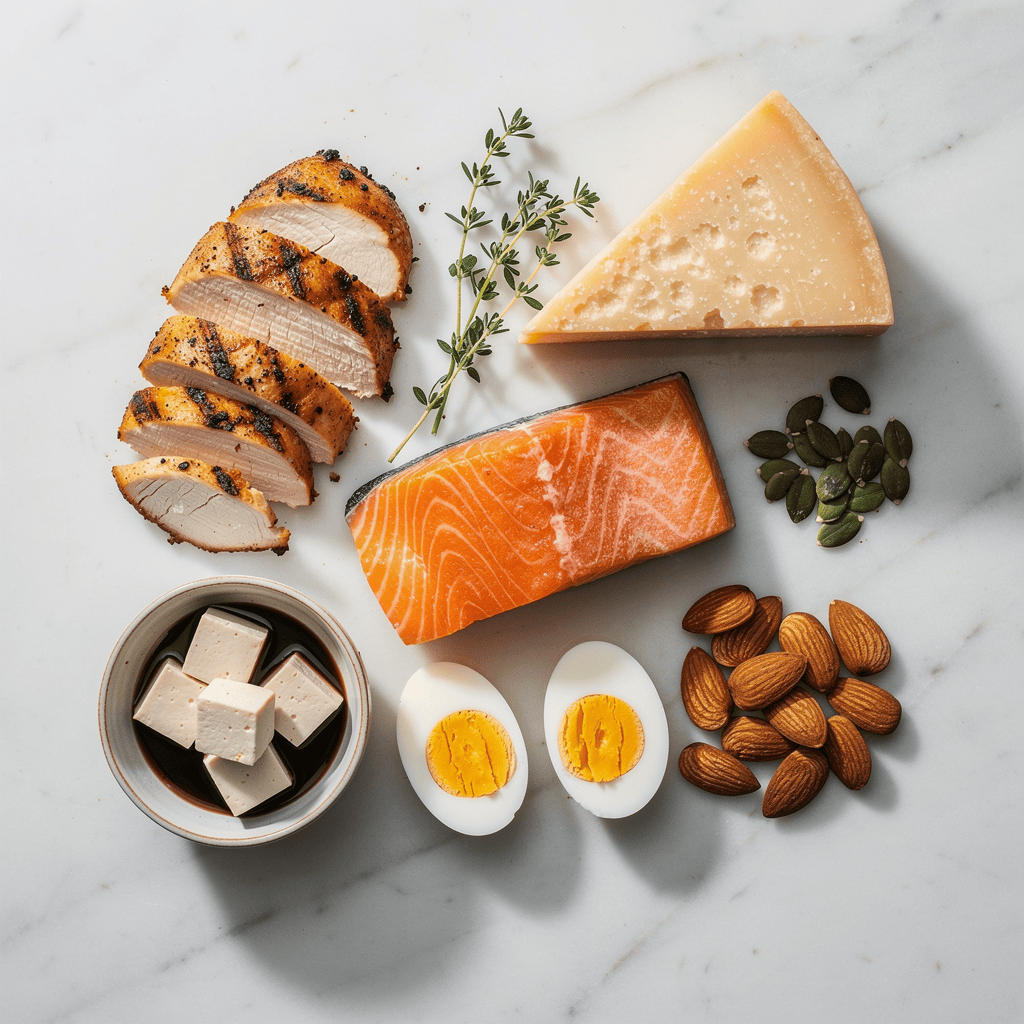
Getting more tyrosine into your diet is straightforward, and for most people, food sources provide adequate amounts. However, stress, aging, and dietary restrictions can create gaps. Data from the NIH Office of Dietary Supplements shows that tyrosine-rich foods include:
Tyrosine-Rich Foods
| Food | Tyrosine per Serving | Serving Size |
|---|---|---|
| Parmesan cheese | ~1.5 g | 100 g |
| Soybeans and tofu | ~1.2 g | 100 g |
| Chicken and turkey | ~1.1 g | 100 g |
| Fish (tuna, salmon) | ~1.0 g | 100 g |
| Pumpkin seeds, almonds | ~0.6 to 0.9 g | 100 g |
| Eggs | ~0.5 g | 100 g |
When Supplements Make Sense
Supplementation is most useful for chronic stress, intense cognitive demands, thyroid support, and restrictive diets. The typical dosage range is 500 to 2,000 mg of L-tyrosine daily, taken on an empty stomach for optimal absorption. Start with a lower dose and increase gradually. Always consult a healthcare provider before starting, especially with thyroid conditions or high blood pressure.
Dopa Factors: A Targeted Approach to Tyrosine Supplementation
Looking for a way to support the tyrosine pathways in this article? Dopa Factors from IH Factors combines multiple ingredients for synergistic support rather than standalone L-tyrosine.
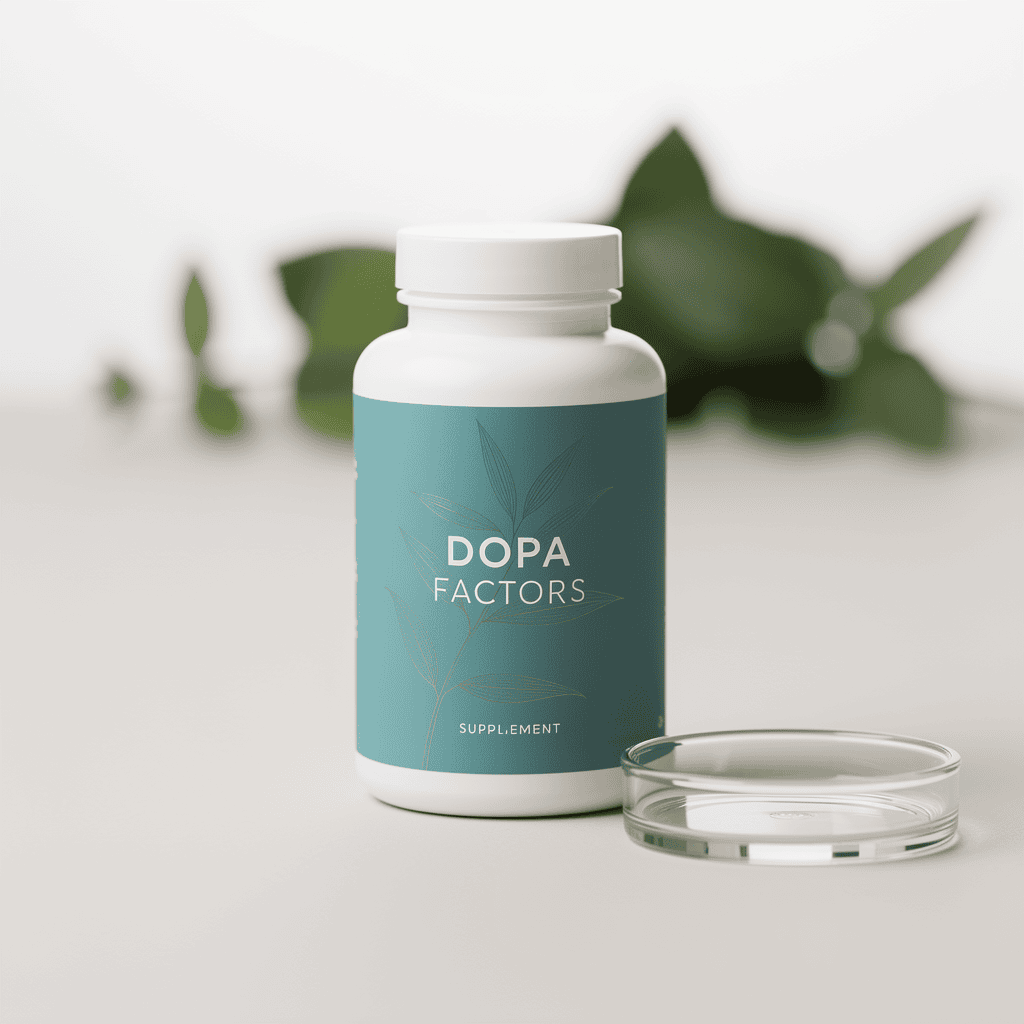
Here is how each ingredient maps to the benefits covered in this guide:
| Ingredient | Key Benefit | Pathway Supported |
|---|---|---|
| L-Tyrosine | Neurotransmitter and thyroid hormone production | Dopamine, norepinephrine, T3/T4 |
| Mucuna Pruriens (15% L-DOPA) | Direct dopamine precursor | Mood and focus |
| Rhodiola Rosea | Adaptogenic stress support | Stress resilience, mental performance |
| Zinc Picolinate | Neurotransmitter function | Immune support, thyroid synthesis |
| Vitamin B6 (P-5-P) | Co-factor for dopamine synthesis | Neurotransmitter production |
Why Dopa Factors Stands Out
Most tyrosine supplements offer a single ingredient. Mucuna Pruriens provides direct L-DOPA for immediate dopamine support, Rhodiola Rosea adds adaptogenic stress resilience, and zinc and B6 serve as essential co-factors for neurotransmitter synthesis.
How to Use Dopa Factors for Best Results
Take 1 capsule of Dopa Factors daily in the morning or early afternoon on an empty stomach or with a light meal. Consider a 5-day-on, 2-day-off cycling schedule to maintain receptor sensitivity. Do not use with MAOIs, thyroid medication, or during pregnancy without medical supervision. Always consult a healthcare provider.
Taking the Next Step with Tyrosine
Tyrosine is a foundational amino acid that powers three critical systems: thyroid hormone production for metabolism, adrenal catecholamine production for stress management, and dopamine synthesis for focus and mood.
The tyrosine benefits are clear and well-supported by research. Start with one change: add a tyrosine-rich food like chicken, fish, or eggs to your next meal. For a targeted approach, explore Dopa Factors, which combines tyrosine with complementary ingredients for synergistic support. Talk to your healthcare provider about whether tyrosine supplementation fits your health goals.
Frequently Asked Questions About Tyrosine
What are the main benefits of taking L-tyrosine?
L-tyrosine benefits include supporting thyroid hormone production (T3 and T4), boosting dopamine and norepinephrine for focus and mood, and helping the adrenal glands manage stress. It may improve cognitive performance under pressure and support metabolic function throughout the day.
Is tyrosine good for thyroid health?
Yes. Tyrosine is one of the two essential ingredients required to produce thyroid hormones T3 and T4. Without enough tyrosine, the thyroid cannot make adequate hormones even with sufficient iodine. Tyrosine benefits for thyroid health are especially important for those with low thyroid function or Hashimoto’s disease.
Does tyrosine increase dopamine levels?
Tyrosine is the precursor to dopamine, meaning your brain needs it to produce this “motivation molecule.” Supplementing with tyrosine can increase dopamine availability, supporting focus, mood, and mental performance, especially during stressful conditions.
How much tyrosine should I take daily?
The typical dosage range for L-tyrosine supplementation is 500 to 2,000 mg per day. Take it on an empty stomach for optimal absorption. Start with a lower dose and increase gradually. Always consult a healthcare provider, especially if you take thyroid medication or have high blood pressure.
What foods are high in tyrosine?
Foods rich in tyrosine include Parmesan cheese (~1.5 g per 100 g), soybeans and tofu (~1.2 g), chicken and turkey (~1.1 g), fish like tuna and salmon (~1.0 g), and eggs (~0.5 g per 100 g). Pumpkin seeds and almonds are also good plant-based sources. Most people get enough from diet alone, but supplementation helps during stress.
Medical Disclaimer: This article is for educational purposes only and is not medical advice. Always consult a qualified healthcare provider before starting any supplement, especially if you have a thyroid condition, take thyroid medication (such as levothyroxine), have high blood pressure, take MAOIs, or are pregnant or nursing. Tyrosine may interact with thyroid drugs and MAO inhibitors. People with hyperthyroidism, Graves’ disease, or melanoma should consult a doctor before use.
About the Author: Marcus Thompson is a health and nutrition writer with a passion for making complex science accessible. He focuses on evidence-based content covering thyroid health, adrenal function, and cognitive wellness.
Published on ihfactors.com | Last updated: August 2026