
Benefits of Fiber for Digestive Health: Gut, Liver, and Natural Detox
Most people think fiber is just about staying regular. But the truth is, the benefits of fiber for digestive health go far beyond what happens in the bathroom. Fiber feeds your gut bacteria, helps your body eliminate toxins naturally, and even supports your liver through a powerful connection scientists call the gut-liver axis.
In this guide, we are going to break down exactly how dietary fiber supports your digestive system and your body’s natural detox pathways. Whether you are trying to improve your digestion, support your liver, or simply understand why fiber keeps showing up in every wellness conversation, this article has you covered.
This article is for informational purposes only and is not medical advice. Always consult your healthcare provider before starting any supplement regimen.
What Is Dietary Fiber and Why Does It Matter?
Dietary fiber is the part of plant foods that your body cannot fully digest or absorb. Unlike other nutrients such as proteins, fats, and carbohydrates, fiber passes through your stomach, small intestine, and large intestine relatively intact.
That does not mean it is useless. Far from it.
There are two main types of fiber: soluble fiber, which dissolves in water and forms a gel-like substance, and insoluble fiber, which does not dissolve and helps add bulk to your stool. Both types play important but different roles in keeping your digestive system running smoothly.
Here is the problem: most people only get about 15 grams of fiber per day, which is far short of the recommended 25 to 38 grams according to the NIH Office of Dietary Supplements. That gap means your gut bacteria are not getting the fuel they need, your digestive tract is not operating at its best, and your body’s natural detoxification processes may be working harder than they should.
Fiber is not just about regularity. It feeds your beneficial gut bacteria, helps bind to toxins and waste products, and plays a direct role in supporting your liver. Let us look at how that works, starting with the most familiar benefit: digestive health.
How Fiber Supports Digestive Health
The benefits of fiber for digestive health are well documented and backed by decades of research. Fiber supports your digestive system in two key ways, depending on whether it is soluble or insoluble.
Soluble Fiber: The Gel That Soothes Your Gut
Soluble fiber dissolves in water and forms a gel-like substance as it moves through your digestive tract. This gel slows down digestion, which helps your body absorb nutrients more effectively.
It also helps stabilize blood sugar levels by preventing rapid spikes after meals. You can find soluble fiber in foods like oats, apples, beans, carrots, and citrus fruits.
According to Harvard T.H. Chan School of Public Health, soluble fiber also binds to cholesterol in the digestive system, helping remove it from the body before it enters your bloodstream.
Insoluble Fiber: Keeping Things Moving
Insoluble fiber does not dissolve in water. Instead, it adds bulk to your stool and helps food pass more quickly through your stomach and intestines.
This is the type of fiber that is most associated with preventing constipation and promoting regular bowel movements. You can find insoluble fiber in wheat bran, nuts, cauliflower, green beans, and whole grains.
Together, these two types of fiber form a powerful team. Soluble fiber slows things down when needed, while insoluble fiber speeds things up when things are sluggish. The balance between the two is what keeps your digestive system functioning at its best.
But fiber’s benefits do not stop at the gut lining. The next piece of the puzzle involves the trillions of tiny organisms living inside you.
Fiber and the Gut Microbiome: Feeding Your Inner Ecosystem
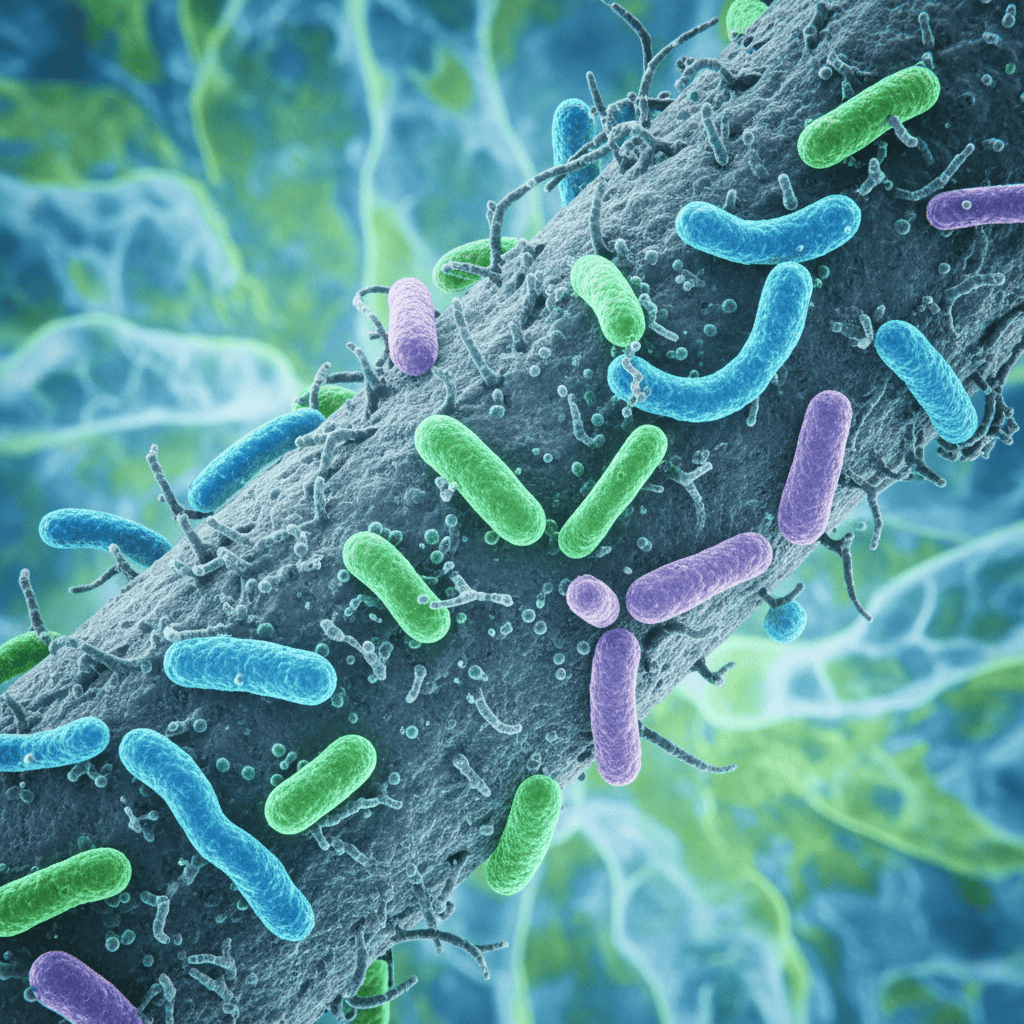
Your gut is home to trillions of bacteria, and together they form what scientists call the gut microbiome. These bacteria play a critical role in digestion, immune function, mood regulation, and even weight management. Think of your gut bacteria like a garden: they need the right food to thrive, and that food is fiber.
When you eat fiber, the beneficial bacteria in your gut (especially Bifidobacteria and Lactobacilli) ferment it and produce something called short-chain fatty acids (SCFAs). The three main SCFAs are butyrate, acetate, and propionate. Among these, butyrate is especially important because it nourishes the cells lining your colon, strengthens the gut barrier, and reduces inflammation.
Research from Stanford Medicine highlights that a diet rich in fiber can significantly increase the diversity of your gut bacteria. Greater bacterial diversity is linked to better immune function, lower inflammation, and reduced risk of digestive disorders. On the flip side, a low-fiber diet can cause butyrate-producing bacteria to decline, weakening your gut barrier over time.
This is where fiber’s role gets really interesting. When your gut microbiome is healthy and well-fed, it does not just help with digestion.
It also supports your body’s natural detoxification systems. Let us explore that next.
Fiber’s Role in Natural Detoxification
Your body is constantly working to remove toxins, waste products, and excess hormones. The liver, kidneys, intestines, and lymphatic system all play a part in this process.
While many people associate “detox” with juice cleanses or expensive programs, your body already has powerful built-in detoxification pathways. Fiber plays a direct and important role in supporting these natural detox pathways. In fact, one of the most overlooked benefits of fiber for digestive health is its ability to help your body eliminate toxins naturally.
Binding Toxins for Elimination
Fiber acts like a sponge in your digestive tract. It binds to toxins, heavy metals, pesticides, and other unwanted compounds, carrying them out through your stool.
Without enough fiber, these substances can linger in your gut longer than they should and may even be reabsorbed into your bloodstream. That puts extra burden on your liver, which then has to process them all over again.
Bile Acid Binding and Liver Support
This is one of the most important mechanisms in the fiber-detox connection. Your liver produces bile acids to help digest fats. These bile acids also carry waste products and processed toxins.
After bile acids do their job in the small intestine, soluble fiber binds to them and helps carry them out of the body through stool. This forces your liver to produce fresh bile from cholesterol, which actively supports the liver’s detoxification process and may even help lower cholesterol levels.
Without sufficient fiber, bile acids are reabsorbed into the bloodstream and recycled back to the liver, along with the waste products they carry. This creates a cycle that makes it harder for your body to eliminate toxins efficiently.
Fiber and Liver Health: The Gut-Liver Axis
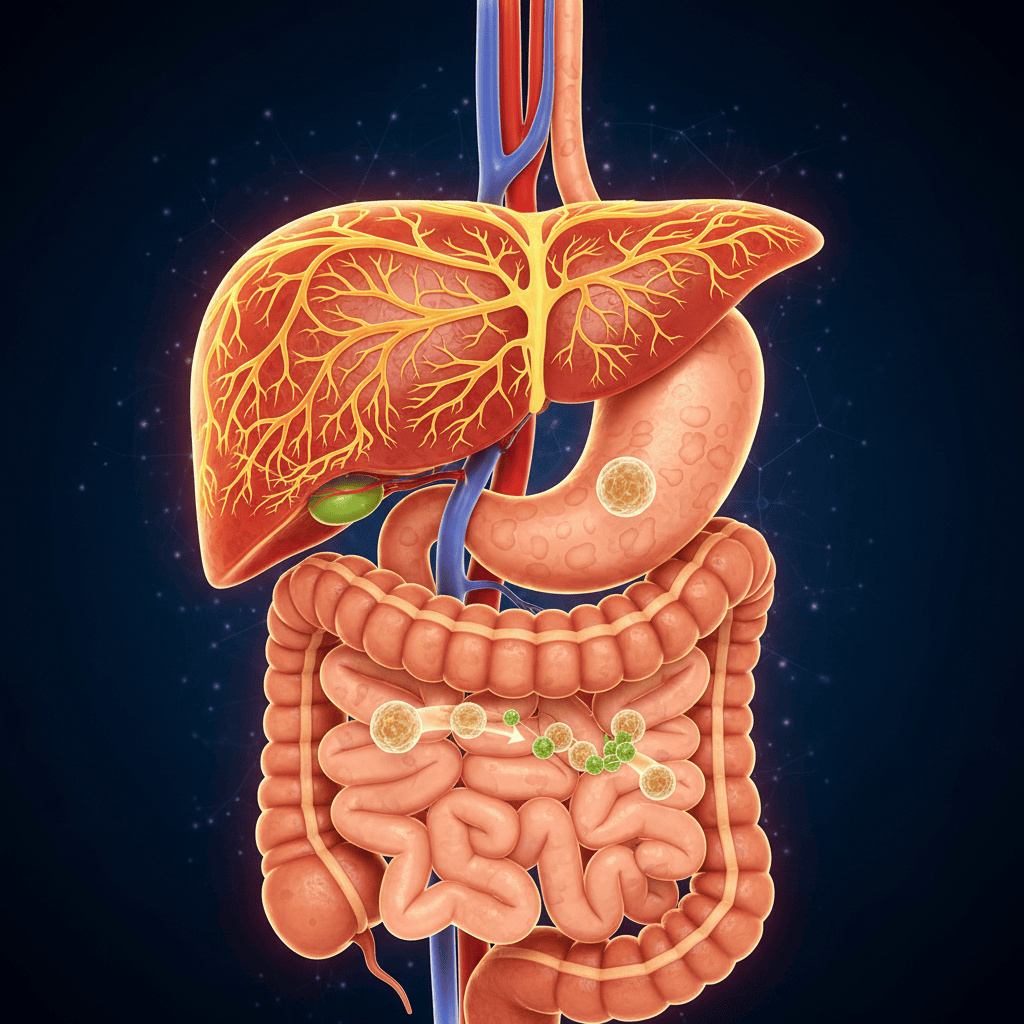
The gut-liver axis is the two-way communication system between your intestines and your liver. Your gut and liver are connected by a blood vessel called the portal vein, which carries blood (and everything absorbed in your gut) directly to the liver. This means that what happens in your gut, including the balance of bacteria and the presence of fiber, directly influences your liver health.
How the Gut-Liver Axis Works
When you eat a fiber-rich diet, your beneficial gut bacteria multiply and produce short-chain fatty acids. These SCFAs strengthen the gut lining, reducing the amount of inflammatory substances and bacterial byproducts that leak through to the liver. A strong gut barrier means your liver has less cleanup work to do.
On the other hand, a diet low in fiber allows harmful bacteria to overgrow. This can weaken the gut lining (sometimes called “leaky gut”), allowing toxins and bacteria to pass through to the liver via the portal vein. This puts the liver under stress and contributes to inflammation.
Reducing Liver Fat Through Fiber
Research suggests that a high-fiber diet is associated with lower risk of non-alcoholic fatty liver disease (NAFLD), a condition that affects approximately 25% of adults worldwide. Some studies have found that a fiber-rich diet can reduce liver fat by up to 30%. Soluble fiber, in particular, helps by binding to bile acids and reducing fat accumulation in the liver.
The science is clear: the gut-liver connection is real, and fiber is one of the most effective dietary tools for supporting both your digestive system and your liver. These findings highlight one of the most significant benefits of fiber for digestive health: its ability to protect your liver through the gut-liver axis. Now, let us talk about where to get more fiber in your diet.
Top Fiber-Rich Foods for Gut and Liver Health
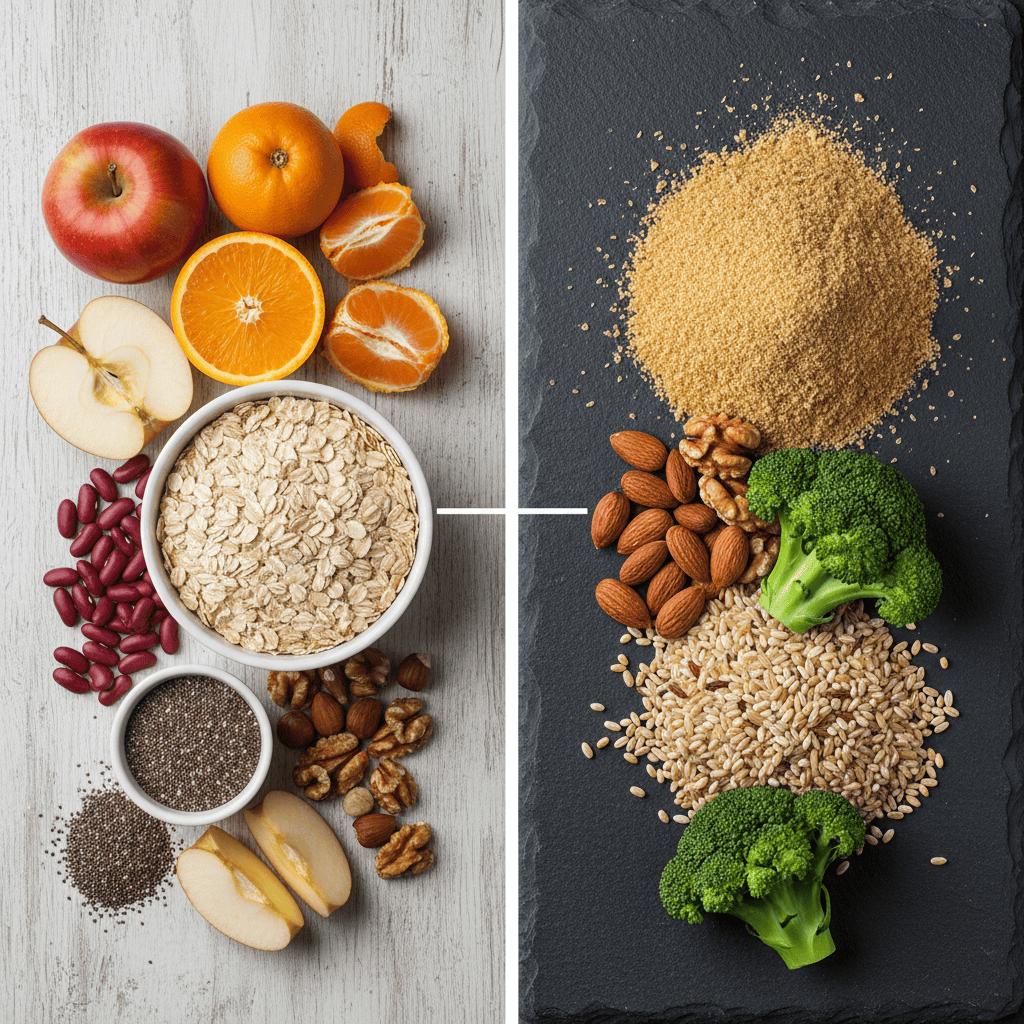
One of the best ways to support your digestive system and natural detox pathways is to eat more fiber-rich whole foods. Here are some of the top sources, organized by fiber type:
Soluble Fiber Sources
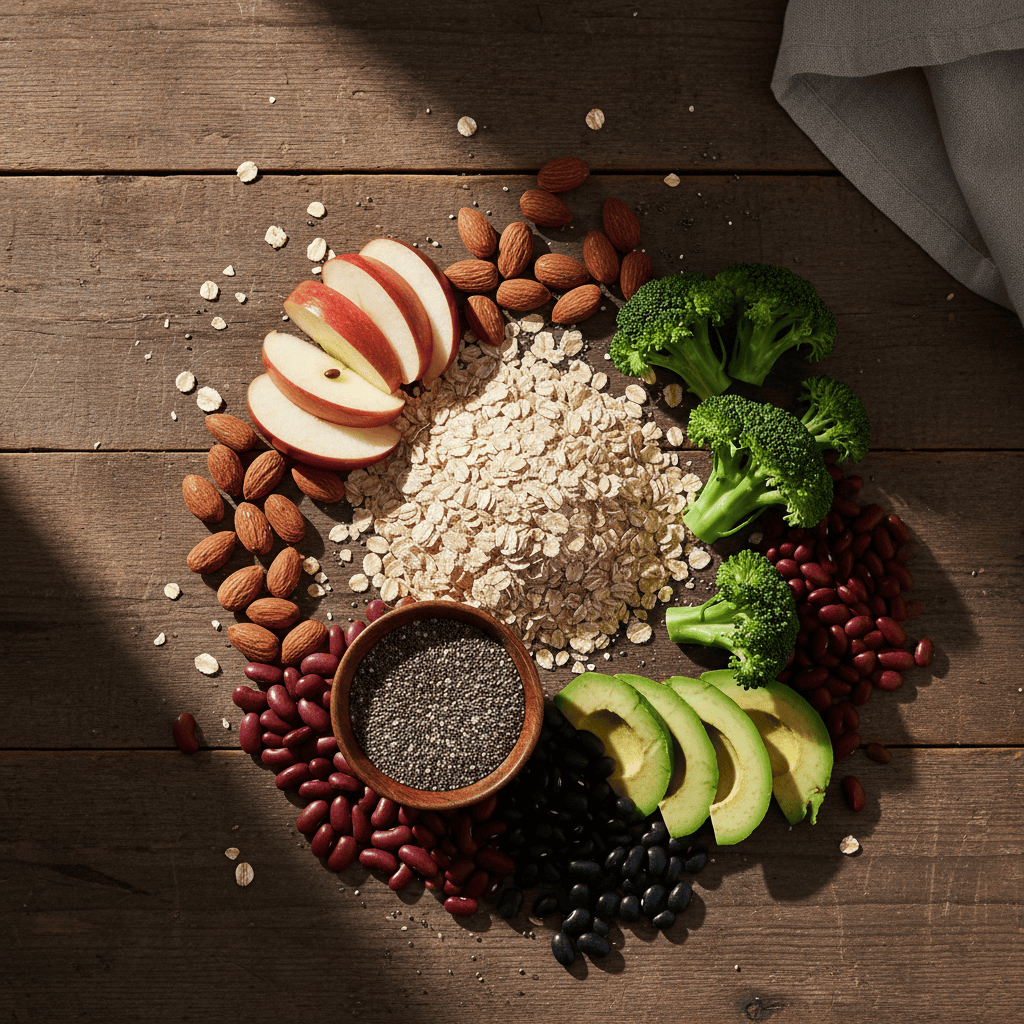
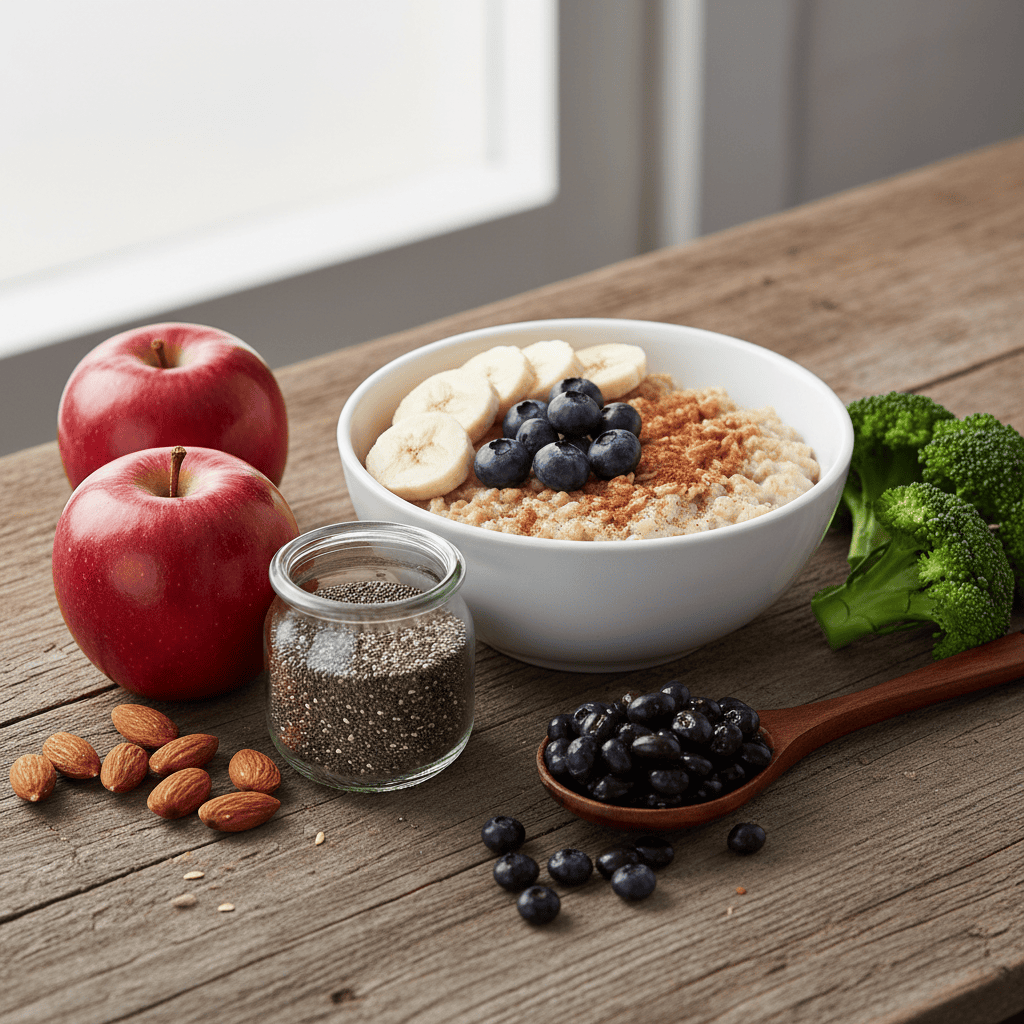
Oats (4g per cup cooked) are rich in beta-glucan, a type of soluble fiber known for lowering cholesterol. Apples with skin (4.4g per medium apple) contain pectin, which supports bile acid binding and detox. Chia seeds (10g per 2 tbsp) are one of the most concentrated fiber sources available and also provide omega-3 fatty acids.
Beans (black, kidney, lentils: 15g per cup cooked) deliver both soluble and insoluble fiber plus plant protein. Psyllium husk (7g per tbsp) is a highly concentrated soluble fiber source often used in supplements.
Insoluble Fiber Sources
Broccoli (2.4g per cup) provides insoluble fiber and sulforaphane, a compound that supports liver detoxification. Almonds (3.5g per 1/4 cup) offer fiber, vitamin E, and healthy fats. Carrots (3.6g per cup) provide soluble fiber and beta-carotene.
Avocado (10g per cup) is a powerhouse of both fiber types plus healthy monounsaturated fats. Ground flaxseed (2.8g per tbsp) delivers fiber and lignans that support hormone balance.
Quick tips for increasing fiber: Go slow (increase gradually over several weeks), drink plenty of water (fiber works best when hydrated), and spread your fiber intake throughout the day rather than eating a large amount at once.
Soluble vs Insoluble Fiber: What Is the Difference?
Understanding the difference between soluble and insoluble fiber helps you choose the right foods for your specific health goals. Here is a side-by-side comparison:
| Feature | Soluble Fiber | Insoluble Fiber |
|---|---|---|
| What it does | Dissolves in water, forms a gel | Does not dissolve, adds bulk |
| Main benefit | Feeds gut bacteria, binds bile acids, slows digestion | Keeps things moving, prevents constipation |
| Where it works | Mostly in the small intestine | Mostly in the large intestine |
| Best for | Gut microbiome, detox, cholesterol, blood sugar | Regularity, digestive transit |
| Food sources | Oats, apples, citrus, beans, chia seeds, psyllium | Wheat bran, nuts, vegetables, brown rice |
| Detox role | Binds toxins and bile acids in the gut | Sweeps waste through the colon |
Most people need both types of fiber for optimal health. Soluble fiber is the star when it comes to detox and liver support, while insoluble fiber is the star for regularity and keeping your digestive tract running efficiently. The best approach is to eat a variety of fiber-rich foods that provide both types.
Frequently Asked Questions About Fiber, Digestion, and Detox
How much fiber do I need per day?
The Academy of Nutrition and Dietetics recommends 25 grams per day for women and 38 grams per day for men. Unfortunately, most Americans only get about 15 grams. To reach your daily target, aim to include a source of fiber at every meal and snack.
Can fiber help with weight management?
Yes. Fiber helps you feel full longer, stabilizes blood sugar levels, and reduces cravings between meals.
Soluble fiber, in particular, forms a gel that slows stomach emptying, which means you stay satisfied after eating. Studies published in PubMed support the link between higher fiber intake and healthier body weight.
Is it better to get fiber from food or supplements?
Whole foods are always the best source because they provide additional vitamins, minerals, and phytonutrients along with fiber. However, if you struggle to meet your daily needs through food alone, a high-quality fiber supplement can help fill the gap.
Can too much fiber cause problems?
Yes, increasing fiber too quickly can cause bloating, gas, and cramping. The key is to increase your intake gradually over several weeks and drink plenty of water. This gives your gut bacteria time to adjust and helps prevent uncomfortable side effects.
Does fiber really help with detox?
Fiber binds to toxins and waste products in the digestive tract and helps eliminate them through stool. Soluble fiber, in particular, binds to bile acids that contain processed toxins, preventing them from being reabsorbed. This supports your body’s natural detoxification pathways without the need for extreme cleanses.
What is the best fiber for liver health?
Soluble fiber is especially beneficial for liver health. Sources like oats, psyllium, apples, and chia seeds support bile acid recycling and help reduce fat accumulation in the liver. A balanced diet that includes both soluble and insoluble fiber provides the most comprehensive support.
How Fiber Complete Powder Supports These Benefits
Now that you understand how fiber supports your digestive system and natural detox pathways, you might be wondering how to make sure you are getting enough. For many people, diet alone does not provide the full 25 to 38 grams of recommended daily fiber. That is where a quality fiber supplement can make a real difference.
Fiber Complete Powder by IH Factors is a physician-formulated fiber supplement designed to deliver both soluble and insoluble fiber in one convenient serving.
Formulated by naturopathic physicians Dr. Zahara Sundermeyer and Dr. Kevin Wallace, it is made with natural ingredients, contains no harmful fillers, and is assembled in the USA.
Remember how we talked about soluble fiber binding bile acids and insoluble fiber sweeping waste through the colon? Fiber Complete Powder delivers both types in one blend. It also includes prebiotic fiber that feeds your beneficial gut bacteria, supporting the production of short-chain fatty acids like butyrate.
Ingredients like apple pectin, psyllium, chlorella, beetroot, ginger, peppermint, and slippery elm work together to support both digestive comfort and your body’s natural detox processes.
This is not about replacing a healthy diet. It is about supporting your body’s own systems on the days when your meals fall short. For a simple, science-backed way to boost your fiber intake, Fiber Complete Powder offers a thoughtful blend of ingredients that work with your body, not against it.
The Bottom Line: Your Gut and Liver Will Thank You
The benefits of fiber for digestive health go far beyond regularity. Fiber feeds your gut microbiome, supports the production of anti-inflammatory short-chain fatty acids, binds to toxins for elimination, and helps your liver function more efficiently through the gut-liver axis. It is one of the most powerful nutrients in your diet, and most of us are not getting enough of it.
You do not need to overhaul your entire diet overnight. Start with small, actionable steps: add one high-fiber food to each meal, drink more water throughout the day, and consider a quality fiber supplement like Fiber Complete Powder to help bridge the gap on busy days.
Your body already has incredible natural detoxification systems. Fiber is the fuel that helps those systems run at their best.
Start with one change today. Your gut and your liver will thank you.
Want to learn more about how fiber supports your body’s natural systems? Check out IH Factors for science-backed supplements, or visit Pixel Studio Creations for more evidence-based wellness content.
Have questions about digestive health or natural detox? Drop them in the comments below, or subscribe to our newsletter for more evidence-based wellness tips from Pixel Studio Creations.